By Ginni Gold · November 18, 2025
You sit in a margin business. Labor sits near the top of your cost structure. Turnover keeps that number higher than it needs to stay.
According to McKinsey, annual employee turnover among frontline retail workers stays at least 60 percent. Retail leaders replace more than half of store staff every year. You feel that pressure in hiring costs, overtime, store performance, and customer experience, while also feeling it in the time your HR team spends on roles that never stay filled for long. You use predictive analytics hiring to shift that pressure into control.
This case study walks through how you use predictive analytics hiring with Cadient to cut hiring costs by 35 percent, shorten time to hire, and improve quality of hire across a national retail footprint.
You see every step of the change: from messy, manual hiring to predictive hiring that drives clear decisions, role by role and store by store.
Retail Hiring Costs Crush Margins When You Rely On Gut Feel
You already track time to hire, cost per hire, and turnover at a high level. Those metrics show the scale of the problem. They do not tell your teams what to do next for each requisition.
According to Recruitment Robin, the average cost per hire in the UK already sits at about £6,125. Retail and hospitality roles often need repeated hiring on top of that baseline.
According to McKinsey, losing a single frontline retail employee costs a retailer nearly 10,000 dollars on average when you factor vacancy coverage and ramp time. When thousands of workers leave every year, those numbers turn into millions.
Traditional ATS workflows keep you reactive. Recruiters post roles, receive floods of applicants, skim resumes, and move a small fraction forward. Store managers pick candidates based on speed and gut feel, not predictive analytics hiring signals.
You rarely see a unified picture of hiring analytics at store level, seldom link hiring decisions to retention or to store performance. You feel every effect in P&L, not in the dashboards that sit inside your HR tech stack.
Predictive hiring gives you that missing picture in one place.
Why Predictive Analytics Hiring Gives Retail Leaders A Different Lever
Predictive analytics hiring takes your existing data and turns it into forward looking guidance for every requisition.
As per HRLineup, the global average cost per hire sits around 4,683 dollars and average time to hire stays close to 36 days. High volume retail hiring often runs above those levels because you deal with constant churn and seasonal spikes.
Predictive hiring draws on application data, assessments, interview scores, reference feedback, and early tenure outcomes. Algorithms then estimate which candidates stay longer, accept offers, and lift store results.
You use predictive analytics hiring to see those signals before you commit.
According to HRStacks, predictive HR analytics delivers up to a 30 to 50 percent reduction in turnover and a 20 to 30 percent improvement in hire quality and productivity. When you focus on predictive analytics hiring, you shift effort from screening every candidate to acting fast on the right ones.
Cadient helps you run predictive hiring through SmartSuite™. Modules like SmartSource™, SmartMatch™, SmartScreen™, SmartScore™, SmartTenure™, SmartTexting™, SmartHire™, SmartOffer™, SmartOnboard™, SmartFeedback™, and SmartReferenceCheck™ give you a connected stack, not scattered point tools.
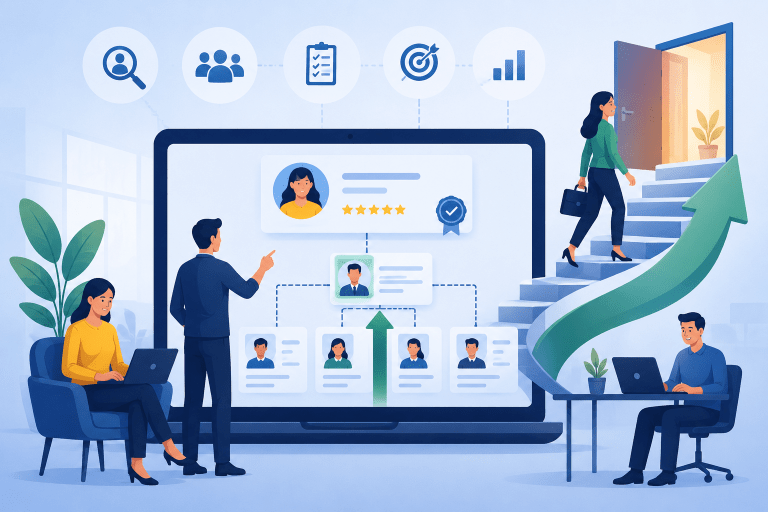
You give recruiters and store leaders one consistent score per candidate. That score reflects predictive analytics hiring signals from across the funnel, not only resume keywords or interview notes.
Inside The Challenge: A National Retailer With Rising Store Turnover
A national specialty retailer approached Cadient with a clear brief. You led HR for a fleet of 800 stores. Struggled to keep frontline roles filled, and store managers hired in constant urgency.
You saw three patterns in your numbers:
- Annual frontline turnover sat around 70 percent.
- Time to hire for key hourly roles averaged 25 days.
- Cost per hire rose 18 percent year over year.
You tracked basic hiring analytics, yet store managers still followed instinct. They chased availability over fit. They hired whoever responded fastest. Predictive analytics hiring did not sit anywhere in the process.
You also lacked a way to separate high retention stores from low retention stores based on actual hiring inputs, knowing some managers hired better than others. You did not know why.
Your finance leader pushed hard on recruitment ROI. You needed a way to show that every pound or dollar spent on hiring translated into predictable value. At the same time, you needed to protect store leaders from more administrative weight.
You decided to run a predictive hiring program with Cadient across three regions as a six month pilot.
The Predictive Analytics Hiring Blueprint You Put In Place With Cadient
You did not start with technology, started with a clear business question.
Define The Outcomes You Want
Together with Cadient, you set three primary goals:
- Cut cost per hire by at least 25 percent in pilot regions.
- Reduce early attrition, defined as exits in the first 90 days, by 20 percent.
- Shorten time to hire for hourly roles to under 14 days without quality loss.
You framed every predictive analytics hiring decision around those outcomes. That focus tied the program directly to P&L.
You Map The Data For Predictive Analytics Hiring
Cadient then helped your team audit data across systems:
- SmartHire™ ATS history.
- Previous assessments and interview scores.
- Shift patterns, schedule data, and absence records.
- Performance indicators from store systems.
- Tenure and exit data from HRIS.
SmartTenure™ and SmartScore™ used this history to learn which candidate traits linked to longer tenure and stronger store outcomes. The models fed those insights into a single predictive analytics hiring score for new applicants.
You turned years of scattered records into predictive analytics hiring guidance in weeks; controlled for bias by removing protected characteristics and focusing on behavioral indicators, experience patterns, and performance history.
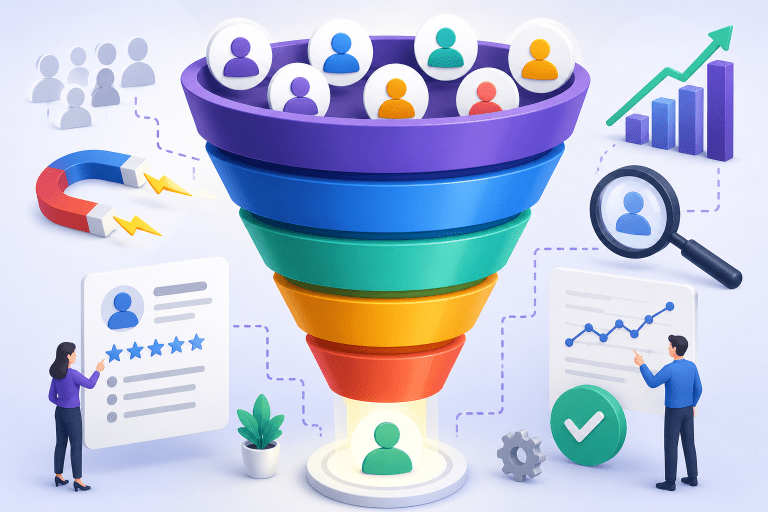
Redesign The Funnel Around Predictive Analytics Hiring Signals
You then redesigned the hiring flow so every step used predictive analytics hiring insights.
- Source And Attract: SmartSource™ focused media and sourcing spend on channels that delivered applicants with higher predicted tenure.
- Screen And Assess: SmartMatch™ and SmartScreen™ scored applicants as soon as they applied, based on structured questions and brief assessments.
- Rank And Prioritize: SmartScore™ produced a single score for every candidate, ranked by predicted tenure, likelihood to accept, and fit.
- Interview And Decide: Store leaders received a short list of high scoring candidates through SmartHire™. Structured interview guides kept decisions consistent.
- Offer And Onboard: SmartOffer™ and SmartOnboard™ moved chosen candidates through offer, acceptance, and onboarding with automated steps.
- Listen And Adjust: SmartFeedback™ gathered early experience feedback. SmartTenure™ updated predictions as new data arrived.
Predictive analytics hiring sat at each stage, not as a separate report. Recruiters and store leaders saw simple scores, not complex models.
You Train Leaders To Trust Predictive Analytics Hiring While Keeping Judgment
You knew store leaders care about speed, shift coverage, and reliability. They do not ask for algorithms.
So you designed training that showed two points:
- How predictive hiring scores reflected traits they already valued, such as reliability and schedule fit.
- How past hires with higher scores stayed longer and performed better in similar stores.
You did not remove human judgment. You used predictive analytics hiring to point managers to a better short list. Managers still interviewed and selected, yet they started from stronger options.
The Outcomes: 35 Percent Lower Hiring Costs And Stronger Store Performance
After six months, you compared pilot regions with control regions that still used the old process. The difference stayed clear.
Across the pilot stores, predictive analytics hiring delivered:
- 35 percent reduction in cost per hire. You spent less on media, overtime, and agency support because you filled roles faster with higher retention.
- 12 day average time to hire. You cut time to hire by more than half compared with the original 25 day average.
- 28 percent reduction in early attrition. Fewer hires left in the first 90 days, which lifted store stability.
- Higher recruitment ROI and clearer finance reporting. You linked hiring spend to tenure and store metrics, not only to vacancy coverage.
Your finance team tied part of the saving to lower vacancy cost. According to McKinsey, losing a frontline retail employee costs nearly 10,000 dollars when you factor coverage and ramp. When fewer employees left in the first 90 days, each hire delivered more months of productive work before you paid that bill again.
You also saw clear evidence that predictive analytics hiring aligns with external cases. A report by TMI shows that ChinaMobile used predictive recruitment analytics to reach an 86 percent reduction in hiring time and a 40 percent saving in hiring costs. Your pilot results followed the same pattern inside a retail environment.
Store leaders reported practical value as well. They spent less time chasing no shows. They spent more time with candidates who looked likely to stay. Predictive hiring supported their local knowledge instead of replacing it.
For them, predictive analytics hiring felt like a trusted advisor in the background.
How Predictive Analytics Hiring Improves Recruitment ROI Across Your Retail Portfolio
After the pilot, you expanded predictive analytics hiring across the full estate. You used predictive hiring as the thread that connects every decision, focused on four levers that drive recruitment ROI.
You Lower Cost Per Hire Through Smarter Sourcing
With SmartSource™ and predictive analytics hiring insights, you redirected spend toward channels that produced high scoring candidates with stronger tenure. Channels with high volume but low retention moved down the priority list.
You did not need broader advertising; needed tighter focus informed by hiring analytics, directed store leaders to prefer internal referrals and channels that already produced strong hires.
You Raise Quality Of Hire Without Slowing Down
Predictive analytics hiring gave you a way to define and measure quality of hire. You linked candidate scores to:
- First 90 day performance metrics.
- Attendance and schedule adherence.
- Mystery shop or customer feedback data, where available.
SmartScore™ joined those signals into a single measure. You then used that measure to tune screening questions and interview flows.
You Connect Hiring Analytics To Store Outcomes
Your executive team cared less about hiring dashboards and more about store metrics. Predictive analytics hiring helped you connect both.
You tracked links between candidate scores and:
- Sales per labor hour.
- Conversion rates.
- Net promoter or satisfaction scores.
You highlighted stores where predictive analytics hiring scores stayed high and store outcomes improved, then used those examples to coach other regions.
How You Move From Pilot To Predictive Analytics Hiring At Scale In Ninety Days
You want predictive hiring results across your footprint, not only in one pilot. You also do not want an endless implementation.
Cadient structures rollout in three clear phases that sit inside ninety days for most high volume retail clients.
Phase 1: Data Foundation And Model Design
You start with a data workshop. Your HR, operations, and finance leaders align on goals for predictive analytics hiring, recruitment ROI, and retention.
Cadient data specialists then:
- Map data sources and quality.
- Define target variables for tenure and performance.
- Train and validate SmartTenure™ and SmartScore™ models.
- Review fairness and bias controls.
You receive clear documentation so your internal teams understand how predictive analytics hiring scores arise.
Phase 2: Workflow Integration And Store Training
Next, you embed predictive analytics hiring into daily work.
Cadient configures SmartHire™ so recruiters and managers see scores inside their existing views. You adjust job templates and screening flows. You set threshold rules for automatic interview invitations or rejections based on predictive analytics hiring scores.
Cadient then runs training for HR business partners and store leaders. Sessions focus on reading scores, asking better interview questions, and giving feedback into the models.
Phase 3: Measurement, Iteration, And ROI Review
Finally, you track predictive analytics hiring outcomes with clear cadence.
With predictive hiring as your compass, every month, you review:
- Time to hire by role and region.
- Cost per hire and sourcing mix.
- Early attrition and six month retention.
- Recruitment ROI by region.
You run quarterly ROI reviews with Cadient. Together, you tune models, adjust thresholds, and refine interview guides so predictive analytics hiring keeps improving over time.
Your Hiring Data Already Holds Your Next 35 Percent Cost Reduction
You already hold years of hiring data across your systems. Predictive analytics hiring through Cadient turns that history into an advantage you feel in every store P&L.
This type of hiring turns every hiring decision into a more confident choice.
You reduce cost per hire, cut early attrition, and improve recruitment ROI with a process that your teams use. Give store leaders clarity instead of more complexity. You give finance leaders hard numbers, not anecdotes, keep predictive hiring at the center of your workforce strategy.
If you want to see how predictive hiring with SmartSuite™ works across your own footprint, you take the next step now. Visit Cadient and explore SmartSuite™. You then request a tailored walkthrough that uses your real hiring data and goals.
When you treat predictive analytics hiring as a core operating tool, you protect margins, strengthen store performance, and give your frontline teams a more stable environment to serve customers.