Introduction
Finding skilled talent in today’s dynamic healthcare landscape is no easy task.
According to a LinkedIn study, healthcare roles have the longest average time to fill, taking up to 49 days. Traditional hiring methods can be slow and inefficient and may only sometimes deliver the best candidates.
But what if there were a better way to streamline recruitment and make more informed decisions? That’s where data-driven recruitment in healthcare comes in. By leveraging data, healthcare organizations can optimize hiring processes, enhance the candidate experience, and ultimately ensure better patient care.
What is Data-Driven Recruitment in Healthcare?

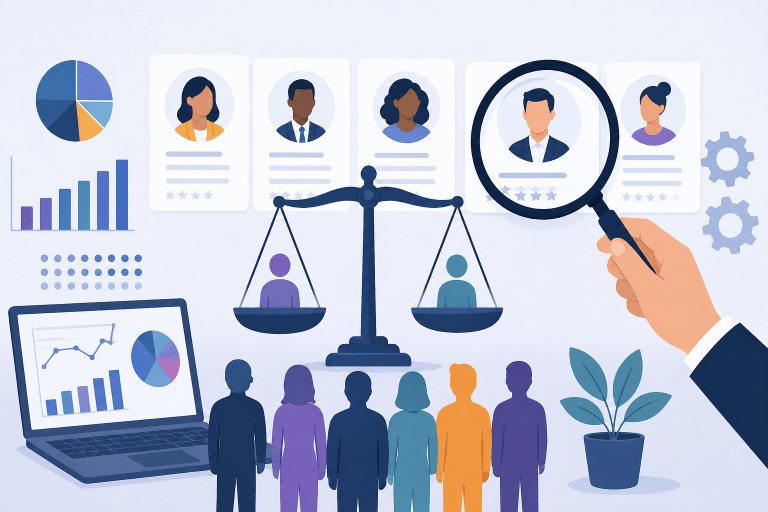
Data-driven recruitment in healthcare is about using data to make smarter decisions at every step of the hiring process. From identifying the best candidates to evaluating their long-term impact, data provides valuable insights that help healthcare organizations recruit more efficiently. Some key recruitment metrics in healthcare include:
- Candidate Data: Information like resumes, skills, experience, and education.
- Job Market Data: Trends in healthcare professional availability, salary expectations, and industry benchmarks.
- Applicant Tracking System (ATS) Data: Metrics include candidate engagement, time-to-hire, and the most effective sources of hire.
- Performance Data: Metrics like employee retention, productivity, and overall contribution to patient care.
These insights enable healthcare organizations to move beyond guesswork and make data-driven decisions. This means finding top talent faster, aligning recruitment efforts with organizational needs, and ensuring the right people are in place to deliver excellent patient care.
Examples of Data-Driven Recruitment in Healthcare
Now that you know more about data-driven recruitment’s purpose in the healthcare industry, let’s discuss some examples.
Predictive Analytics
Predictive analytics can reduce turnover by up to 25%. By analyzing past hiring data, healthcare organizations can forecast which candidates are most likely to succeed, leading to better long-term hires. This demonstrates the power of data analytics in hiring.
Talent Mapping
Preparing for tomorrow’s needs today is crucial. Talent mapping helps organizations identify the skills and expertise required to meet future goals, ensuring they have the right talent pipeline to support upcoming demands.
Social Media Recruiting
Over 79% of job seekers use social media in their job search. Healthcare organizations can capitalize on this trend with platforms like LinkedIn and Facebook to engage passive candidates and enhance their employer brand.
Employee Referral Programs
Referred employees stay longer—up to 45% more than those hired through other means. A data-driven referral program enables current employees to recommend skilled candidates who are also a strong cultural fit.
Candidate Experience Analytics
Organizations that invest in candidate experience improve the quality of hires by 70%. Healthcare organizations can refine their processes by tracking candidate feedback, ensuring a smoother, more engaging recruitment experience.
Importance of Data-Driven Recruitment in Healthcare
What makes data-driven recruitment for the medical field so important? Improving hiring efficiency, assessing candidate fit, and enhancing workforce planning are a few of the top crucial applications for this procedure amongst others.
1. Improved Hiring Efficiency
Data-driven recruitment can significantly reduce time-to-hire with streamlined solutions, such as identifying the right talent pools and shortlisting candidates. This helps healthcare organizations fill critical roles faster, minimizing disruption to patient care.
2. Better Candidate Fit
Healthcare roles require a unique blend of technical expertise and soft skills like empathy and communication. By analyzing data from past hires and performance metrics, organizations can predict which candidates will excel, resulting in lower turnover and a better cultural fit.
3. Enhanced Workforce Planning
With constant shifts in healthcare demands, recruitment software for healthcare allows organizations to manage workforce changes proactively. Identifying future talent needs, skill gaps, and market trends enables better long-term planning and talent strategy.
4. Improved Patient Outcomes
A well-matched healthcare team directly impacts patient care quality. Data-driven recruitment ensures that professionals are qualified and fit seamlessly into the organization’s workflows, leading to better teamwork and enhanced patient outcomes.
5. Cost Savings
Hiring the wrong candidate can be costly. Data-driven recruitment improves the quality of hire, reduces turnover, and minimizes the need for repeated recruitment efforts. With data analytics in hiring, organizations can allocate their recruitment budgets effectively, focusing on strategies that yield the best results.
6. Enhanced Candidate Experience
Data on candidate engagement helps healthcare organizations create a more engaging recruitment process. This attracts top talent, strengthens the employer brand, and reduces drop-off rates.
7. Compliance and Diversity
Data-driven recruitment supports healthcare organizations in tracking compliance with regulatory standards and diversity goals. This ensures that hiring practices are fair, consistent, and aligned with legal requirements and organizational commitments.
Data-Driven Healthcare Recruitment Best Practices
Establishing best practices ensures medical organizations are hiring professionals utilizing the most proficient strategies. Here are 5 best practices to follow when undergoing medical recruitment measures.
- Establish Clear Objectives: Define specific, measurable recruitment goals, such as reducing time-to-hire or improving candidate quality, to ensure your data-driven strategy is aligned with organizational needs.
- Gather and Analyze Relevant Data: Collect data from various sources—such as candidate profiles, market trends, and performance metrics. Use recruitment software for healthcare to analyze this data and uncover actionable insights.
- Integrate Data into Decision-Making: Make data central to every stage of the recruitment process, from sourcing candidates to evaluating long-term employee performance. Data-driven insights help reduce biases and improve outcomes.
- Continuously Optimize Recruitment Strategies: Regularly assess the effectiveness of your recruitment strategies by reviewing key metrics and making adjustments based on insights. Continuous improvement ensures your recruitment process evolves with industry demands.
- Leverage Advanced Technology: Invest in applicant tracking systems (ATS) and other recruitment technologies to support data collection, analysis, and automation. These tools streamline the healthcare recruiting process, enabling faster and more accurate data-driven decision-making.
Conclusion
As healthcare organizations face increasing competition for top talent, data-driven recruitment in healthcare is becoming essential. Using data and recruitment software for healthcare, organizations can make more informed hiring decisions, enhance candidate experience, and ultimately improve patient outcomes. Adopting data-driven practices prepares healthcare organizations for long-term success in a competitive talent market.