By Abhishek Patel · May 5, 2026
When you finally get that new hire on board, the real question is: did they make the cut? That’s where quality of hire analytics steps in. It’s not just a buzzword; it’s the compass that tells you whether your talent decisions are moving the needle or just spinning wheels. In the next few minutes I’ll walk you through the metrics, the math, the tools, and even the tricky data‑governance issues you’ll hit when you try to turn hiring data into hiring gold.What Is Quality of Hire Analytics?
At its core, quality of hire analytics is the systematic measurement of a new employee’s impact on the business. Think of it as a blend of employee performance analytics and cost‑tracking, all wrapped in a dashboard you can actually use. It goes beyond the old “turnover rate” scorecard and asks: How fast did they hit productivity? How do managers rate their performance? What’s the ROI on the dollars spent to source them?Limitations of Basic Quality of Hire Metrics
Most HR teams start with a handful of simple numbers: turnover, time‑to‑fill, and maybe a satisfaction survey. Those are useful, but they’re also blind spots. Relying on turnover alone is like judging a car by how often it stalls—ignores speed, comfort, fuel efficiency. You’ll miss high‑performers who stay for years, and you’ll over‑penalize short‑term layoffs that were strategic.- Turnover only tells you who left. It says nothing about who thrived.
- Performance ratings are often subjective. Without a calibrated scorecard, “good” can mean anything.
- Time‑to‑productivity ignores quality. A fast ramp doesn’t guarantee long‑term success.
Advanced Metrics for Measuring Quality of Hire
Ready to level up? Here are the numbers most forward‑thinking firms track.Performance Scorecards
Instead of a single rating, you break performance into four quadrants: revenue impact, collaboration, innovation, and cultural fit. Each quadrant gets a 1‑5 score, and you weight them based on role importance. For a sales rep, revenue might be 50% of the total.360° Feedback
Collect input from managers, peers, and direct reports. A balanced view cuts the bias that creeps into a manager‑only rating. One study showed a 23% boost in predictive accuracy when 360 data was added.Time‑to‑Productivity Benchmarks
Measure the days it takes a new hire to achieve 70% of their target output. Compare that against the industry median—often 90 days for technology roles and 45 for call‑center agents.Manager Satisfaction Index
Ask hiring managers to rate their satisfaction on a 10‑point scale after the first 90 days. It’s a quick pulse that often predicts longer‑term success.Using Predictive Analytics to Measure Hiring Success
Now we get to the fun part: predictive hiring success. By feeding historical quality of hire metrics into regression or machine‑learning models, you can forecast how a candidate will perform before they sign the contract. One common approach is the “Talent DNA” model. It blends assessment scores, interview sentiment analysis, and even social‑media engagement patterns. The output? A fit score from 0 to 100, where 80+ typically signals a high‑impact hire. But don’t just throw algorithms at the data. You need clean, labeled outcomes—actual performance scores over 12‑month periods—to train the model. That’s where data governance steps in.How to Calculate Hiring ROI Using Advanced Metrics
Crunching the numbers isn’t optional; it’s the only way to prove that your recruiting spend is paying off. Here’s a straightforward framework.- Calculate total cost‑per‑hire (CPh). Include ads, recruiter fees, assessment tools, and onboarding.
- Determine the value generated by the hire. For sales, that’s commissionable revenue; for engineers, it might be project profit contribution.
- Apply the performance weight. If the employee scores a 4.2/5 on the performance scorecard, multiply the value by 0.84 (4.2/5).
- Subtract CPh from the weighted value. The result is the hiring ROI.
Tools and Technologies for Quality of Hire Analytics
There’s a crowded marketplace, but a few platforms consistently rise to the top.- Visier – Deep workforce analytics with built‑in predictive modules.
- Crosschq – Strong on reference‑checking data and integration with ATS.
- Findem – AI‑driven talent intelligence that pulls from public data and internal assessments.
- Open‑source options – Python libraries like scikit‑learn and pandas let you build custom models if you have data scientists on staff.
Data Governance & Privacy Considerations for Post‑Hire Analytics
It’s easy to get excited about the data you can now access, but you also have to stay on the right side of the law. GDPR, CCPA, and even local labor statutes dictate how long you can keep performance data and who can see it. Start with a data‑mapping exercise: inventory every source (ATS, HRIS, learning platform, 360 tools). Tag each data element with its retention period and required consent. Then lock down access—only HR analysts and the hiring manager should see raw performance scores. Finally, anonymize identifiers when feeding data into machine‑learning pipelines to avoid inadvertent bias.Integration Strategies for a Unified Analytics Dashboard
Most companies have their data siloed across multiple systems. The magic happens when you pull it together into one view.- Identify a data warehouse or lake (Snowflake, Azure Synapse) as the central hub.
- Use ETL tools (Talend, Fivetran) to extract data from your ATS, HRIS, and engagement platforms on a nightly schedule.
- Standardize key fields—employee ID, hire date, job code—so records line up correctly.
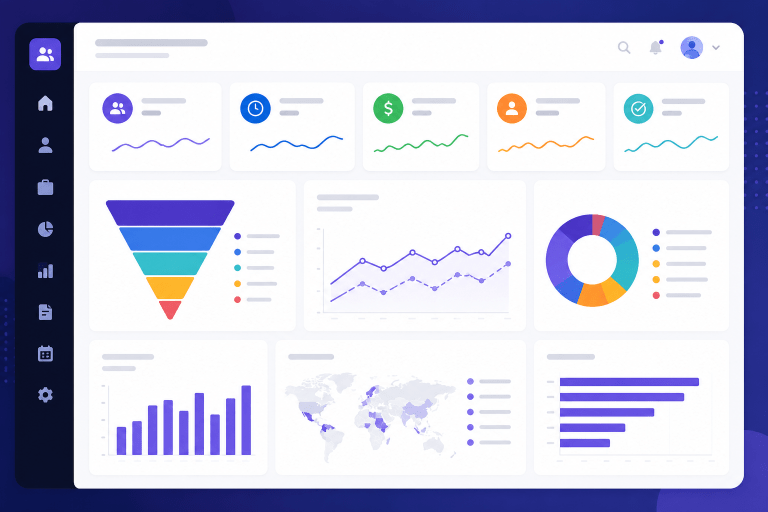
- Build a dashboard in Power BI, Looker, or Tableau that surfaces the core quality of hire metrics alongside hiring ROI metrics.
Best Practices to Improve Quality of Hire Using Data
Data alone won’t fix a broken hiring process. Here’s what works in the field.- Align metrics with business goals. If revenue growth is your north star, weight performance scorecards accordingly.
- Calibrate rating scales. Run a quarterly workshop so managers interpret a “4” the same way across departments.
- Close the feedback loop. Share performance outcomes with recruiters so they can refine sourcing criteria.
- Test predictive models continuously. Split your data into training and validation sets each month to catch drift.
- Guard against bias. Run disparity analyses on gender, ethnicity, and veteran status before you trust any AI‑generated fit score.