By Abhishek Patel · May 6, 2026
Ever felt like you’re drowning in a sea of resumes? Automated candidate screening is the life raft many HR teams are tossing to themselves. In the first 100 words, you’ll see why it matters, how it works, and what to watch out for. Spoiler: it can shave weeks off your time‑to‑fill, but only if you steer clear of the usual traps.What Are Automated Candidate Screening Systems?
At its core, automated candidate screening is software that parses resumes, cover letters, and application forms, then ranks applicants based on predefined criteria. Think of it as a digital hiring assistant that can scan 10,000 PDFs in the time it takes you to brew a coffee. The technology leans on natural language processing and machine‑learning models to extract skills, experience, and even cultural signals. How does it actually work? First, the system ingests raw text. Then algorithms map keywords to a skill taxonomy, assign scores, and surface the top‑scoring profiles. Some platforms even pull data from LinkedIn or GitHub to enrich the profile before scoring.Over‑Reliance on Keyword Matching
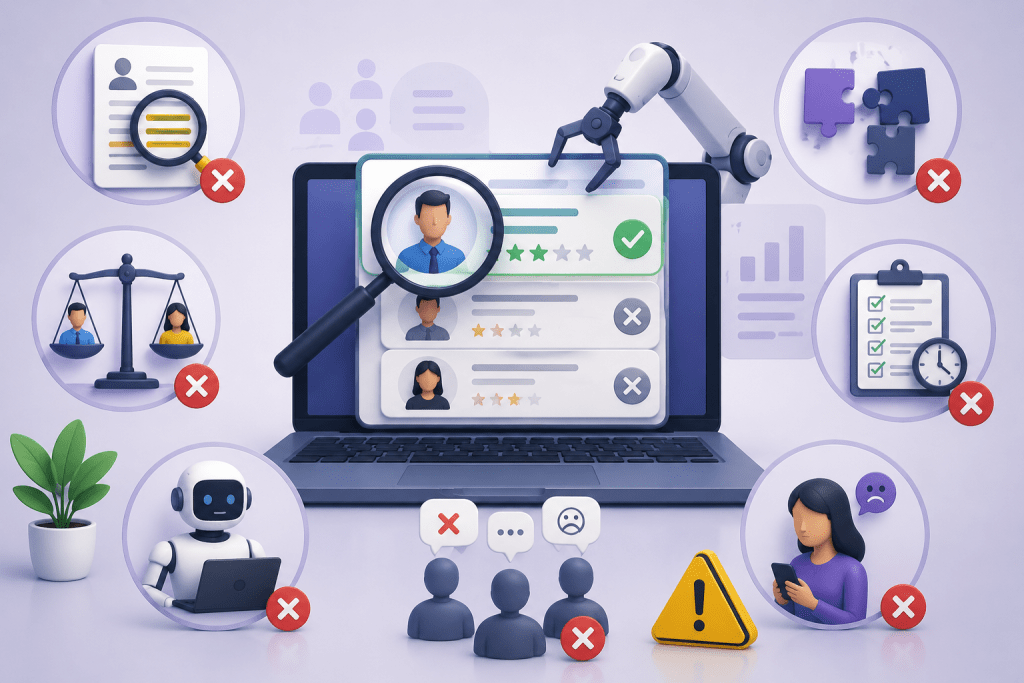
One of the biggest automated candidate screening challenges is the obsession with exact keyword matches. A candidate who writes “managed a team of developers” might be overlooked if the system is looking for “lead software engineer.” The result? You miss out on talent that speaks the language differently. HR pros often ask, “Can I just feed the system my ideal job description and be done?” The answer is a cautious no. Keyword‑heavy setups can become echo chambers, rewarding résumé fluff over real ability.Ignoring Bias and Fairness Issues
Bias in automated hiring systems isn’t a myth; it’s a documented risk. If the training data favors certain schools or companies, the model will replicate that preference. That’s why a blind audit of the algorithm is non‑negotiable. Imagine a scenario where a fintech startup’s screening tool consistently ranks male candidates higher for data‑science roles because historic hires were predominantly male. Without a bias check, the tool silently perpetuates inequality.Poor Integration With ATS and HR Tools
Many resume screening software issues stem from clunky integration. When the AI tool can’t talk to your ATS, you end up with duplicate records, lost notes, and a lot of manual cleanup. The promise of “one‑click sync” often turns into a three‑hour juggling act. For example, a mid‑size retailer tried plugging a new screening engine into their legacy ATS. The mismatch caused candidate status updates to disappear, prompting a costly rollback and a handful of frustrated recruiters.Using Outdated Screening Criteria
It’s tempting to recycle old job matrices, but what worked in 2015 may be irrelevant today. Technology evolves fast, and so do the skills you need. Relying on stale criteria can cripple your applicant screening process optimization efforts. One tech firm kept using a “Java 7” requirement long after they migrated to Kotlin. Their AI flagged dozens of perfectly qualified developers as mismatches because the model was anchored to a relic.Lack of Human Oversight
You can’t just set and forget. A hybrid workflow—where humans review the top 10‑15% of candidates—keeps the system honest. Humans bring context, intuition, and the ability to spot red flags that an algorithm might miss. When a global consulting agency introduced a fully automated screen, they saw a dip in diversity numbers. Bringing senior recruiters back into the loop helped rebalance the pipeline within a month.Weak Candidate Experience
Remember the last time you got a generic “We’re reviewing your application” email that was sent weeks after you applied? That’s the kind of experience that hurts employer brand. Automated tools can deliver instant acknowledgments, but they must also keep candidates informed about next steps. One startup layered personalized video messages into their screening flow. Candidates reported a 30% increase in satisfaction, and the conversion from screen to interview rose accordingly.Best Practices for Effective Automated Screening
- Data Quality First: Clean, structured data fuels accurate models. Remove duplicate resumes and standardize skill tags.
- Bias Audits: Run quarterly checks for gender, ethnicity, and age disparities. Adjust weighting if you spot a pattern.
- Continuous Model Training: Feed the system new hires’ performance data to refine its predictions.
- Transparent Communication: Let candidates know you’re using AI and give them a way to request human review.
- Hybrid Review: Pair AI rankings with recruiter spot checks, especially for high‑stakes roles.
- Compliance Checklist: Ensure privacy consent forms are collected, and maintain audit trails for every decision.
Popular AI Screening Tools
| Tool | Key Feature | Integration |
|---|---|---|
| HireVue | Video interview AI + scoring | Works with SAP SuccessFactors, Workday |
| Pymetrics | Gamified assessments & bias analytics | Integrates via API with Greenhouse |
| Eightfold | Talent intelligence & deep matching | Native support for iCIMS, Lever |
| SeekOut | Boolean search plus AI enrichment | Connects to Bullhorn, JazzHR |
| Ideal | Resume parsing + pre‑screen chatbot | Integrates with Oracle Taleo, ADP |
Benefits of AI in Reducing Manual Workload and Time to Fill
On average, companies report a 40% cut in time‑to‑fill when they adopt automated screening. That’s roughly ten days saved per vacancy for a firm hiring 50 roles a year—a 500‑day efficiency gain. Beyond speed, AI frees recruiters to focus on relationship building. Instead of slogging through stacks of PDFs, they can have deeper conversations with the top talent, boosting both quality of hire and candidate experience.Legal and Compliance Overview
When you automate screening, you step into a maze of regulations. In the EU, GDPR demands explicit consent for processing personal data. In the US, EEOC guidelines require that any automated decision‑making tool be demonstrably non‑discriminatory. Practical steps: embed a consent checkbox on your application form, keep detailed logs of algorithmic decisions, and be ready to provide a manual review if a candidate challenges the outcome.Measuring ROI and Success Metrics
Hard numbers speak louder than vague cost‑saving claims. Track these KPIs:- Time‑to‑Hire: Compare average days from posting to interview before and after automation.
- Cost‑per‑Hire: Factor in recruiter hours saved and any software subscription fees.
- Quality‑of‑Hire: Use performance ratings after 6 months as a benchmark.
- Bias Reduction: Measure gender and ethnicity representation at each funnel stage.
- Candidate Net Promoter Score: Survey applicants on their screening experience.
Future Trends Shaping Screening
Generative AI is about to turn static resume parsing on its head. Imagine a system that drafts a candidate summary on the fly, highlights potential growth areas, and even suggests interview questions tailored to each applicant. Video‑analysis tools are also gaining traction. By reading micro‑expressions and speech patterns, they promise a deeper read of soft skills—though privacy concerns loom large. Predictive talent analytics will soon blend historical performance data, engagement scores, and market trends to forecast not just who’ll fit now, but who’ll thrive three years down the line.Legal Checklist for Automated Screening
- Obtain explicit data‑processing consent.
- Maintain an audit trail for every algorithmic decision.
- Conduct regular bias impact assessments.
- Document the criteria used for scoring.
- Provide candidates with a human‑review option.
KPI Dashboard Examples
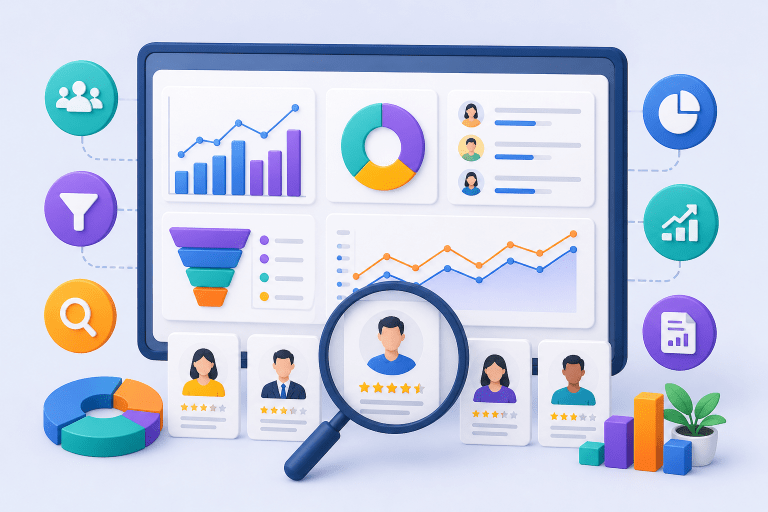
A useful dashboard might feature:- Weekly average time‑to‑screen.
- Percentage of applications automatically rejected vs. human‑reviewed.
- Diversity ratios at each funnel stage.
- Cost savings per hire compared to the previous quarter.
- Candidate satisfaction scores from post‑screen surveys.
Real‑World Success Snippet
Acme Corp, a 300‑employee SaaS firm, switched to an AI‑powered screening platform last year. Their hiring manager recalled, “We used to spend three days just shortlisting. Now it’s under eight hours, and the quality of the interview pool has actually gone up.” The company logged a 12% reduction in turnover after the first six months, attributing part of the improvement to better initial matching.Hiring Automation Best Practices Summary
Here’s a quick cheat sheet you can print or pin to your wall:- Start with clean, structured data.
- Run bias audits quarterly.
- Keep the human loop for the final decision.
- Communicate transparently with candidates.
- Align screening criteria with current business needs.
- Document compliance steps and retain consent records.