By Anubhav Awasthi · October 24, 2025
AI hiring software is reshaping recruiting faster than any technology in HR history. What was once a slow, manual process has become data-driven, automated, and intelligent. For leaders hiring at scale across healthcare and retail, the promise is clear: better candidates, faster decisions, lower turnover.
Yet as organizations move toward an AI-first talent strategy, a new concern has emerged. Does AI mean the end of the human recruiter? The short answer is no. In fact, AI works best when humans stay in the loop.
The most effective talent teams today are not choosing between people and technology. They are building partnerships between both. AI-first does not mean human-free. It means human-empowered.
The Misconception: AI Replaces Recruiters
When AI entered recruiting, fear followed quickly. Headlines predicted the end of HR as algorithms took over sourcing, screening, and scoring. Many hiring leaders worried that automation would replace empathy with data.
Reality has played out differently. According to Gartner, 74% of HR leaders say AI has increased recruiter productivity, not replaced it. Recruiters now spend more time engaging candidates and less time managing tasks.
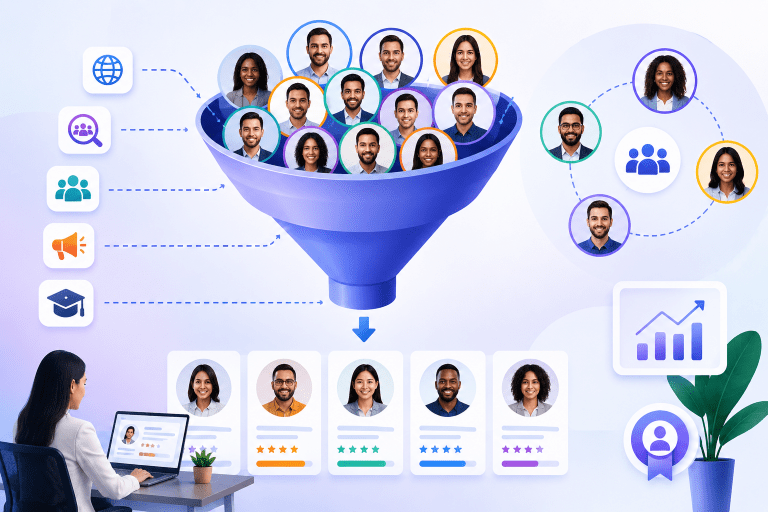
AI hiring software handles high-volume complexity. It sorts thousands of applications, screens for qualification patterns, and flags candidates with higher retention potential. Humans, freed from administrative overload, use that insight to build relationships, conduct structured interviews, and make final decisions.
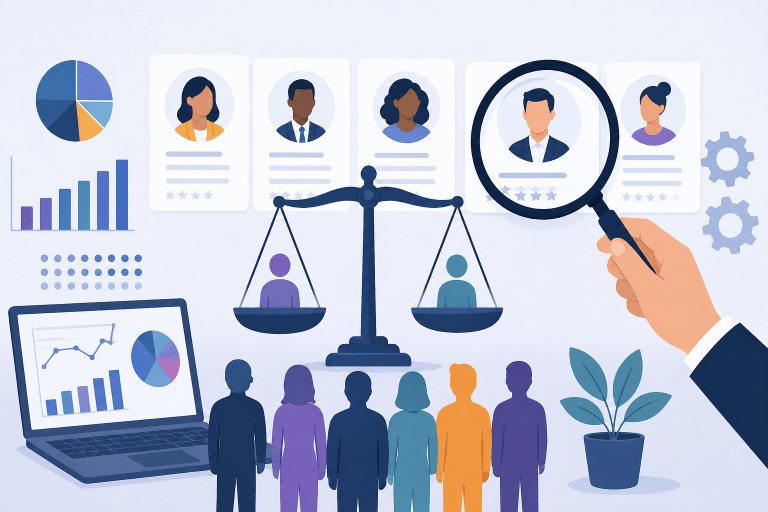
This collaboration creates what experts call augmented hiring. Machines handle the data. People handle the judgment.
Why Human Judgment Still Matters
Recruiting is more than matching skills to job descriptions. It’s about assessing fit, motivation, and potential. And these are factors that algorithms alone cannot capture.
AI hiring software can recommend who is likely to succeed, but humans interpret the context. For example, an AI model might predict retention based on tenure data, but only a manager can recognize whether a candidate’s personality aligns with the team’s culture or patient care expectations.
Research from Deloitte found that 83% of organizations using AI in HR see better outcomes when humans remain involved at key decision points.
Human oversight ensures fairness, compliance, and empathy, qualities that drive trust in the hiring process. AI adds precision. People preserve purpose.
Read More: The Clash Between Gut Feel and Machine Learning in Recruiting
The Real Meaning of “AI-First”
AI-first hiring does not mean replacing recruiters with machines. It means designing the entire hiring process around intelligence, not instinct.
Traditional hiring starts with manual screening, followed by subjective interviews, and ends with gut-feel decisions. AI-first hiring inverts this. It begins with data and ends with human validation.
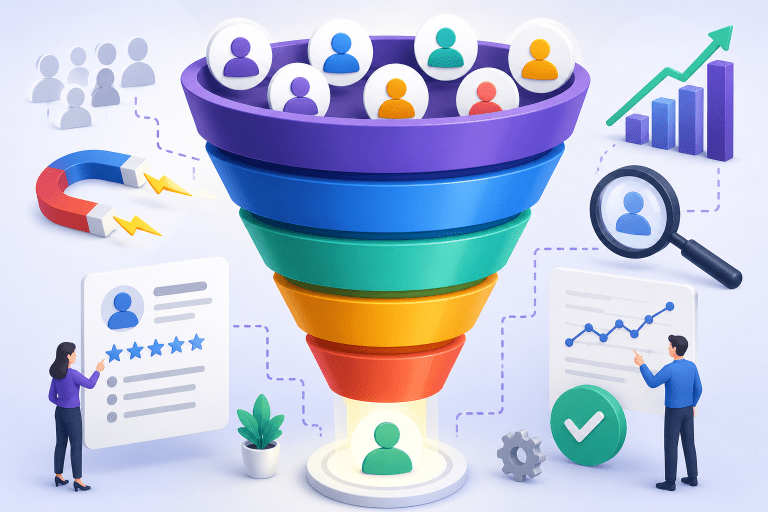
In this model, hiring software like Cadient’s SmartSuite™ streamlines the journey. SmartMatch surfaces qualified candidates instantly. SmartScreen standardizes interview scoring. SmartScore combines all signals into one data-backed hiring recommendation.
Humans still make the final call. They simply make it faster, fairer, and with more context than ever before.
AI-first hiring means building processes where data supports every choice but never dictates it.
AI Reduces Bias When Humans Design It Right
One of AI’s biggest contributions to recruiting is reducing bias when implemented responsibly.
Human decisions are shaped by unconscious bias, often in ways recruiters don’t see. AI models trained on objective data can help neutralize those biases by focusing on performance and retention patterns rather than subjective impressions.
According to a 2024 Harvard Business Review study, structured AI-assisted hiring processes reduce bias-related hiring errors by up to 43%. That improvement doesn’t happen automatically. It depends on how data is selected, monitored, and audited.
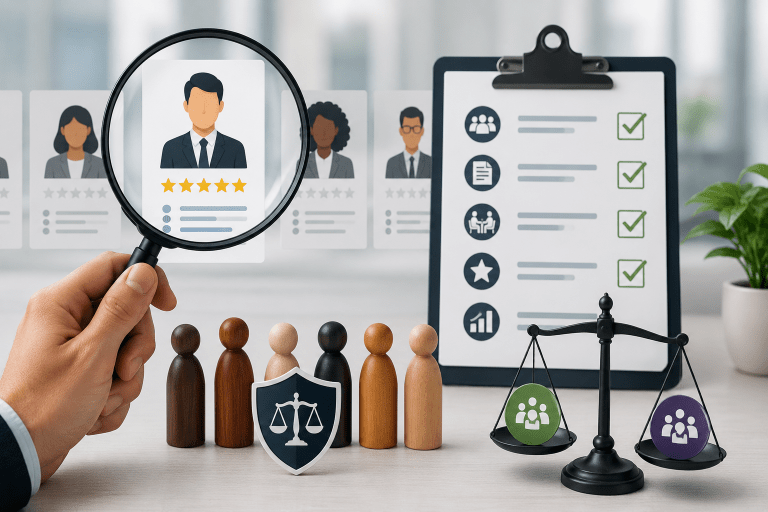
AI is only as fair as the humans who train it. That’s why transparency and explainability are essential. The best AI hiring software includes audit trails, data provenance, and clear rationale for each recommendation. These features allow HR teams to verify that AI decisions align with company values and compliance standards.
Technology doesn’t remove accountability. It makes it measurable.
Data Without Empathy Is Dangerous
AI can tell you who is likely to stay. It cannot tell you why.
Recruiters bridge that gap. They bring emotional intelligence to the data, interpreting signals that software alone cannot contextualize.
For example, a predictive model might flag a candidate as a “low retention risk,” but a recruiter who interviews that person might uncover deeper motivations, like a caregiver seeking stability after burnout or a retail worker seeking consistent hours.
AI provides probabilities. Humans provide perspective. When both collaborate, decision-making becomes both analytical and humane.
Cadient’s clients prove this balance works. One large tire retailer saw new hire retention rise to 96% after combining predictive tools like SmartTenure™ with recruiter-led onboarding programs. AI gave them insight. Human connection made it stick.
Why Candidates Still Want the Human Touch
Candidates may appreciate efficiency, but they expect empathy.
A report by Glassdoor found that 75% of job seekers consider a personal touch from recruiters as the deciding factor in whether they accept an offer. AI-driven communication tools help scale this touch, but the tone still needs to feel human.
Candidates want transparency about how hiring decisions are made. They want timely updates and feedback, even if automated. Most importantly, they want assurance that a person, not a machine, understands their story.
AI hiring software enables that level of personalization. Automated messages can be timely and informative, while recruiters focus on deeper conversations. When technology handles logistics, people can focus on connection.
The smartest hiring teams use AI to create capacity for more human moments, not fewer.
Read More: Beyond Chatbots: Why Predictive AI Decides Who Actually Stays
The AI Compliance Era Has Arrived
AI in recruiting is now under legal scrutiny. U.S. states like New York, Illinois, and California have introduced AI bias audit laws for hiring technology. Europe’s AI Act adds similar regulations.
Compliance has become central to HR tech adoption. SHRM reports that 67% of HR leaders cite data ethics and compliance as their top concern in adopting AI systems.
Cadient’s approach to AI hiring prioritizes fairness and transparency through explainable algorithms, documented scoring, and built-in audit trails. For multi-site healthcare and retail organizations, these safeguards reduce compliance risk and protect brand trust.
AI-first doesn’t mean reckless automation. It means regulated intelligence, where accuracy, fairness, and ethics coexist.
How AI Elevates Recruiters Instead of Replacing Them
AI hiring software doesn’t remove the recruiter’s value. It redefines it.
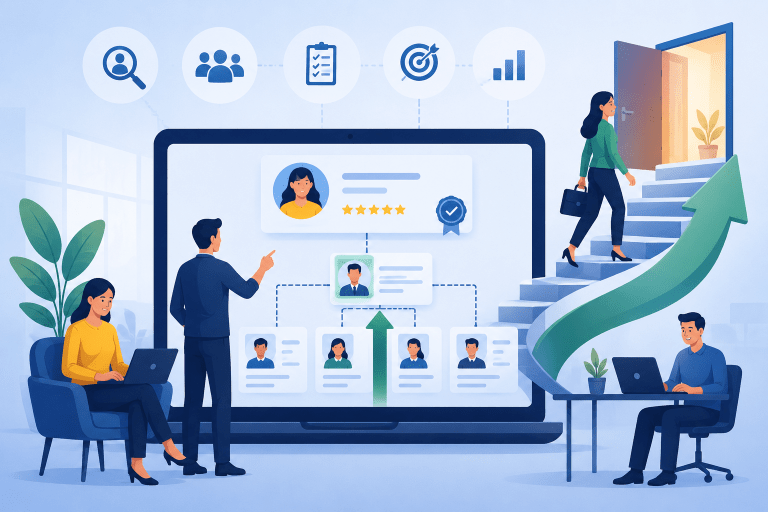
Recruiters are evolving from task executors to hiring strategists. They analyze insights, coach hiring managers, and influence workforce planning. AI handles the pattern recognition so recruiters can focus on strategy and culture.
A 2025 LinkedIn Talent Intelligence study found that teams using AI tools spend 44% more time on high-value tasks like relationship management and workforce analytics.
In healthcare and retail industries defined by high turnover and tight margins, this shift is crucial. Recruiters no longer need to chase paperwork or schedule interviews manually. They spend time improving conversion rates and identifying retention trends.
AI doesn’t eliminate the human role. It amplifies it.
Measuring Success with AI Recruiting Software
The question now isn’t whether you use AI. It’s whether you measure its impact correctly.
Leading organizations track both speed and quality outcomes: time-to-hire, retention rate, and new hire performance. They evaluate whether automation improves fairness, not just efficiency.
Cadient’s data shows that when predictive hiring, scheduling automation, and human-led decision-making work together, organizations improve retention by more than 90%. That’s not about replacing humans but making them better at what they do best.
AI-first recruiting is not a cost-cutting initiative. It’s a capability-building one.
Building Candidate Trust in the Age of AI
Trust has become the currency of modern recruiting. Candidates know when they are interacting with automated systems, and they judge employers based on how transparent and respectful those experiences feel.
A recent PwC workforce survey found that 78% of job seekers are more likely to engage with companies that clearly explain how AI supports fair hiring decisions.
When hiring software is used openly, that is, with clear communication about how data informs selection, candidates perceive it as a sign of integrity, not intrusion. Transparency turns technology into trust.
Read More: You Don’t Need a Hiring Agent. You Need a Hiring Engine
Why the Future Is Human-Led, AI-Powered
The future of talent acquisition belongs to teams that know how to balance intelligence with empathy.
AI hiring software will keep advancing, getting faster, smarter, and more predictive. But no algorithm can replace the recruiter’s intuition, experience, and human understanding of what makes a good fit.
When AI identifies patterns and humans interpret meaning, hiring decisions become more consistent, inclusive, and strategic. Healthcare and retail employers gain what they’ve always needed most: better hires, faster, and with confidence.
AI-first hiring is not the end of human recruiting. It’s the beginning of a smarter, fairer, and more human era of hiring.