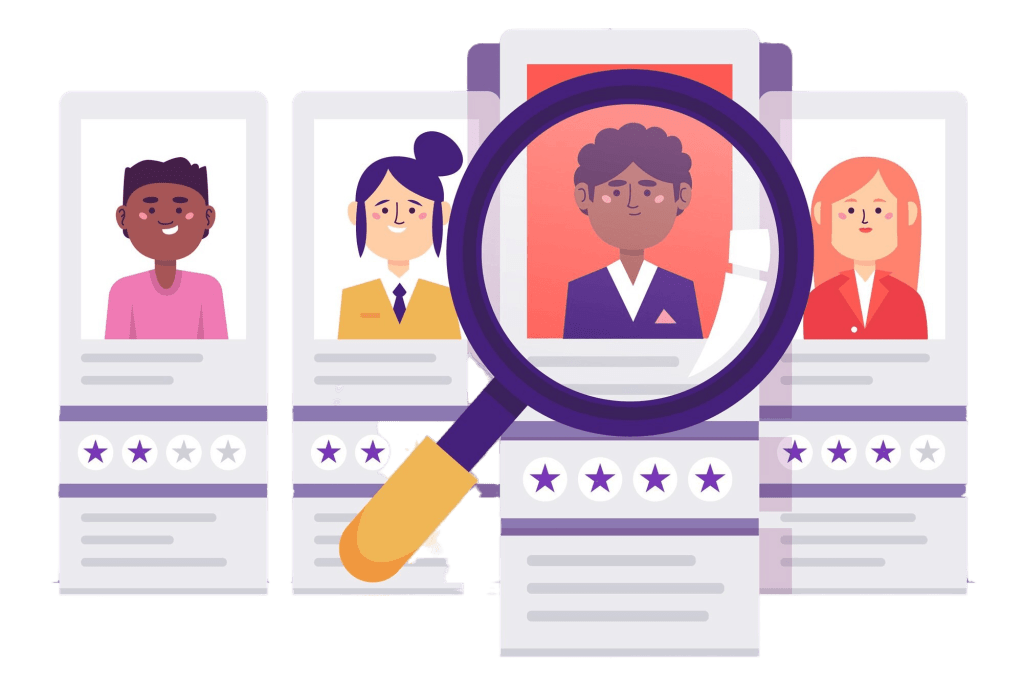
AI is streamlining functions in the workforce in more ways than one. It’s no secret that AI in talent acquisition benefits the hiring process. With advanced recruitment technologies being constantly refined, companies can expedite hiring and institute efficiency.
We will examine the AI tools utilized in talent acquisition and discuss their benefits for hiring. Special attention will be given to the importance of applicant tracking software. It’s more than just automating repetitive tasks. The system is also about making a more engaging and efficient recruitment process benefitting company stakeholders and candidates.
Enhancing Talent Acquisition With AI

Modern hiring demands require advanced technologies for talent acquisition. Following traditional recruitment methods without AI causes human error and more time spent on tasks. AI in talent acquisition hastens hiring and onboarding while maintaining a high candidate quality.
Applicant Tracking System (ATS)
ATS software is the motherboard that drives AI in the recruitment sector. It’s a centralized system that tracks and manages all stages of the application process in a business.
The AI algorithms embedded throughout the ATS software can analyze large data volumes from resumes, cover letters, and applications. From there, the software undergoes resume parsing where it picks out keywords from the skills and qualifications of each candidate.
Structured and Streamlined Candidate Screening
Natural language processing (NLP) is the key feature that connects the best candidates to an open requisition. Analyzing keywords related to qualifications and skills required for the job can enhance candidate quality. It also reduces human error resulting from manual analysis.
Reduce Bias While Improving Diversity
Diversity and inclusion in the workplace are important for a well-rounded team of balanced backgrounds and skill sets. Traditional hiring methods involving manual resume and application screening can initiate biases from the recruitment team. Gender and race stereotypes or affinity bias are all examples of unfair considerations in hiring that should not happen.
Conversely, AI can reduce bias by only focusing on keyword filters and finding chosen words related to the job description in each resume. A recent HireVue survey published that 49% of respondents stated that AI is helping to reduce bias in hiring.
Optimize Job Postings With AI
Recruitment technology can help you optimize job postings with AI. First, input the job description into the analysis system. Then, the algorithms will evaluate it and suggest changes for a clearer, more appealing delivery.
The AI feature also includes keyword optimization to include phrases and keywords in the edited post that may be used while finding jobs on a search engine. Any trending skills or qualifications are at the top of the suggestions list for the job post to become more effective.
AI-Powered Interview Scheduling and Management
The AI technology for recruitment can integrate with the hiring team’s calendar to select time slots for candidate interviewing. Candidates can select a time that works for them from the available time slots when invited to an interview.
Future of Talent Acquisition With AI

The future of talent acquisition practices with AI will continually advance. Here are some features that will become more mainstream in the industry.
Predictive Analysis
Predictive analysis involves analyzing historical data from ATS software and other recruitment marketing tools. Such historical data includes applications and resumes from past and current candidates, employee performance data, recruitment metrics, and overall industry trends. Patterns and relationships within the data are identified to predict future trends.
Predictive analytics forecast hiring needs and identify qualified candidates in the applicant pool. This is a better tactic than attempting to attract new candidates with recruitment marketing campaigns that will cost the company more money. Analyzing these data trends means the recruitment team can predict if there will be talent shortages within the company. Companies can build a qualified candidate pool to reduce these shortages.
More Personalization
Talent acquisition systems are advancing with AI algorithms to offer more personalization to each stage. The recruitment team’s communications with candidates are more customizable with email or text templates. The recruiter also has the option to edit the templates or handwrite the message entirely based on their discretion.
As candidates browse your career site, AI can recommend other open jobs in the company based on search history. Hence, ensuring all job posts have popular keywords and phrases will help them to be more noticed.
Advanced Skills Matching
AI will continue to advance its candidate-matching abilities. It mainly happens by analyzing previous job search history on the career site and a previously submitted application or resume. AI algorithms can evaluate candidates’ technical qualities from their original application submission to recommend other jobs available to find the right career fit.
The natural language process (NLP) helps with this candidate’s skill and qualification analysis. Skill taxonomies help to segment the types of skills required for the job. AI can search each candidate’s soft skills, technical skills, or other types from their applications and resumes.
Skills matching can enhance accuracy in hiring the best candidate and hasten recruitment. The function encourages strategic talent management by identifying future potential talent for the company.
Integration With Other HR Technologies
The new goal of modern talent acquisition is to create a centralized hub to conduct all recruitment functions in an integrated system. ATS software can connect with an HRIS for automatic data transfer of candidate information into the new hire portal.
AI in talent acquisition can also benefit from integration with onboarding systems, learning and development platforms, and performance management systems. Skill gap analysis, predictive talent management, and other key tasks from HR technology integration are all important for continued success.
Conclusion
Talent acquisition partnered with AI continues to create many advances in the recruitment sector. By leveraging the power of artificial intelligence, companies can attract and maintain top talent. These advancements will enhance overall candidate quality thereby retaining employee loyalty and reducing turnover. As AI in talent acquisition advances, so will the overall recruitment process for companies nationwide.