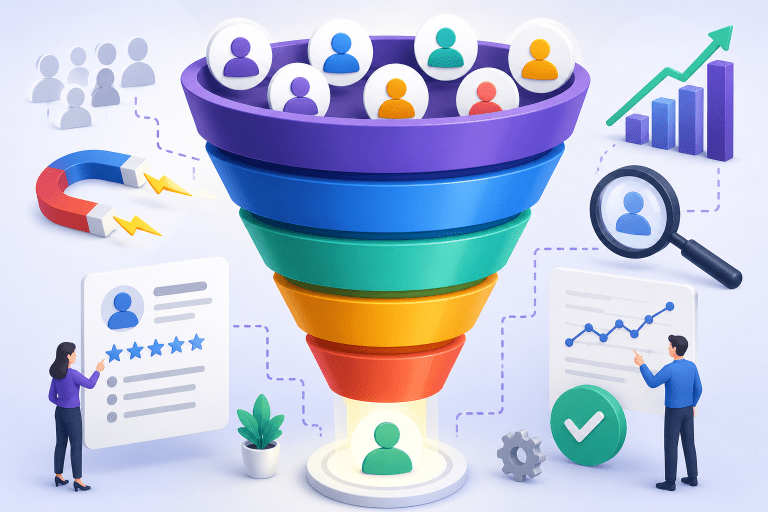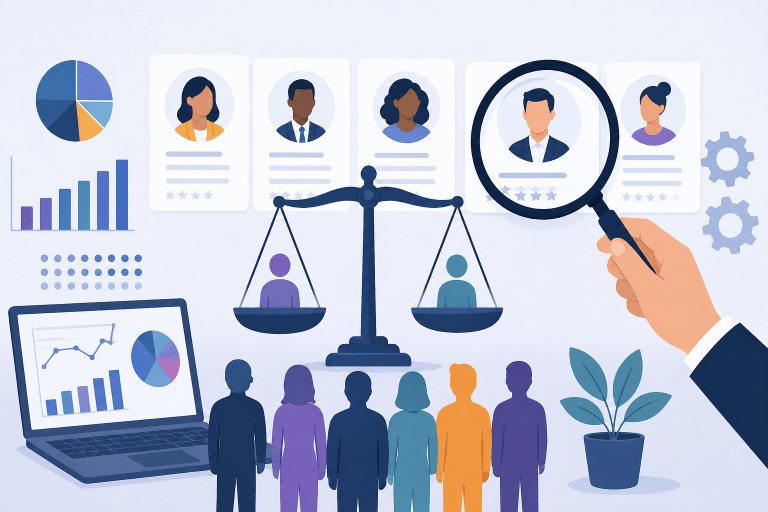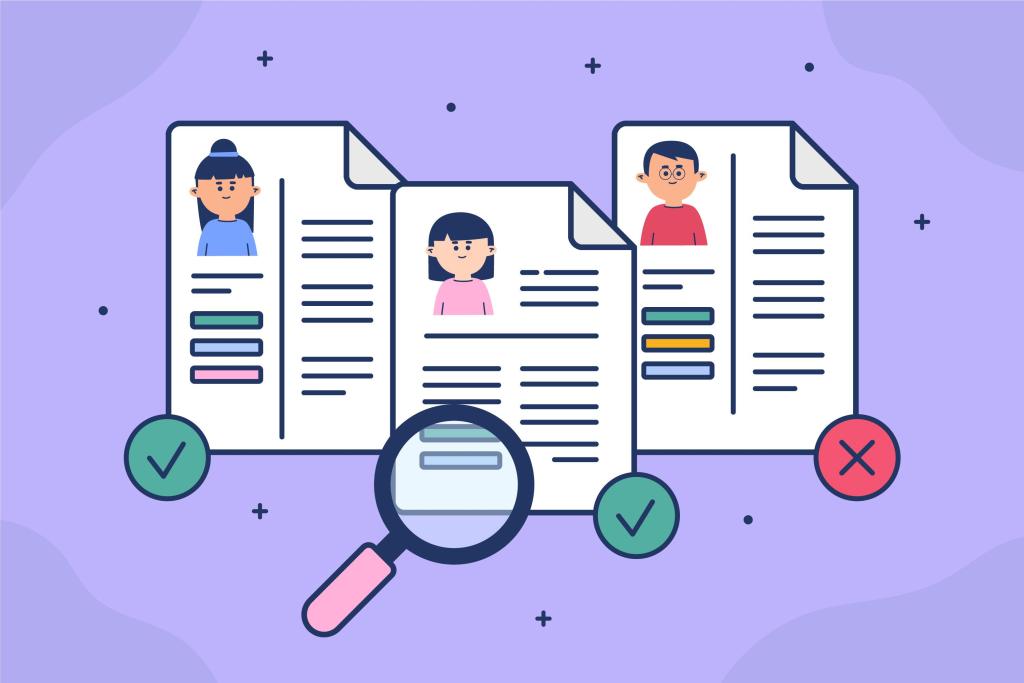
Is your talent acquisition (TA) data all over the place on different systems? Do you want a way to centralize your TA data to improve your company’s recruitment process? Look no further than a recruitment dashboard! This powerful platform centralizes data from multiple channels to create a cohesive reporting interface for companies to gain data-driven insights on their recruitment performance.
What Is A Recruitment Dashboard?

A recruitment dashboard is a centralized hub that displays key performance indicators (KPIs) and other hiring metrics. Think of it as a snapshot of your company’s recruitment performance. Data is gathered from various sources including an applicant tracking system, social media platforms, and integrated job boards.
Strategic decision-making is now easier because companies are instituting recruitment dashboards. Cadient’s recruitment dashboard solutions help you evaluate historical data and conduct predictive analysis for future hiring trends in your company.
Key Features Of A Recruitment Dashboard

Let’s identify these features. Knowing what to look for will ensure you find the best system for your business. The Cadient Analytics Portal is a recruitment dashboard that allows you to generate customizable reports. The portal can also run general reports in real-time or in a selected time range.
Customizable Interface
Customization is an important feature for achieving the company’s goals. This means adding or removing widgets from the dashboard, customizing reports, and adjusting the types of data being viewed.
Integration With ATS Software
Can the talent acquisition dashboard integrate with ATS software and other recruitment tools? If so, this will make the transition process easier and more convenient. Integrated tools encourage data synchronization for automatic data transfer. Hence, this is another measure that voids the need for manual data entry.
Real-Time Data Updates
A recruitment metrics dashboard with the most updated information will provide the best insights for data-driven decisions. This means the dashboard can be refreshed even to the minute to receive the most current hiring metrics. A few candidates may be completing your company’s application within the hour or two you haven’t refreshed the dashboard. Hence, this could change the metrics immediately. Current metrics can be compared with historical data to formulate improvement strategies for the recruitment process.
Advanced Analytics
Advanced analytics are one of the most important features of a recruitment dashboard. Data visualization tools can show you how some metrics change over time. These include graphs and charts generated from the data to display how you want them to.
From historical data, predictive analytics can show how the metrics may change within a month or so. Advanced analytics can identify current and future trends by utilizing data-driven predictions.
Benefits Of Using A Recruitment Metrics Dashboard

Now that you know more about the key features, let’s evaluate the benefits of this system Access to pertinent recruitment metrics is essential for talent advancement in a company. Here are the many benefits of using a recruitment dashboard.
Centralize TA Data
Centralizing a TA track boasts many benefits. All users can access and interpret the data as needed without logging in to multiple disparate systems. Rather than analyze data on many screens, you only need to look at one to learn about all the recruitment metrics. Centralized data is pivotal for a more efficient recruitment process.
Increased Efficiency
Automating data collection allows for more seamless metrics reporting. It also streamlines administrative tasks to save valuable time for the company. Hence, there’s no need for manual data entry like using traditional recruitment methods.
Data automation reduces human error and makes data transfer quicker. Since this method allows instant access to metrics, HR professionals can analyze them to learn inefficiencies in the current hiring process. From there, improvement strategies can be implemented to correct these inefficiencies.
Enhanced Visibility and Reporting
The key performance indicators (KPIs) are centralized into a succinct reporting page on a recruitment dashboard. You can customize the reports based on a time range or evaluate one metric’s change over time. The hiring team can track overall company performance goals, identify trends, and gather tangible takeaways from the data.
Informed Decision-Making
Rather than going with gut feelings, you can make data-driven decisions with a recruitment dashboard. They will help refine future recruitment strategies to improve the metrics over time. You can evaluate candidate sourcing effectiveness, diversity metrics, and interview-to-offer ratios. Hence, the recruitment team can optimize sourcing strategies and enhance the candidate experience with recruitment dashboard data.
Strategic Planning and Forecasting
Analyzing a recruitment dashboard allows recruitment to evaluate historical trends and how they may relate to future hiring efforts. Understanding these current performance metrics can instill effective strategic planning and forecasting of future hiring needs. More accurate budgeting can be determined while longer-term talent acquisition plans can be formulated and implemented. This data can also help recruiters gain insight into new job market trends to keep ahead of the industry’s competition.
How To Implement A Recruitment Dashboard
How can you implement this system into your company’s current technological interface? Let’s find out!
Define Objectives
What are the company’s objectives for transitioning into using a recruitment dashboard? Start identifying these objectives by evaluating current metrics. Could any of them use improvement? If so, you can use failing metrics as part of your objectives. For example, you can say you’d like to improve your time-to-hire metric by 20% or reduce your cost-per-hire by 25% within six months.
Select the Right Tool
Selecting the right tool with all the needed features to fill these objectives is essential for success. Most of all, the recruitment dashboard should be easy to use and not cost much. It should also integrate with your ATS and other recruitment tools for the best data transfer capabilities. Take advantage of vendors’ trial versions to test all the functions before choosing.
Train Your Team
As with any new technology implemented into the company, train your team accordingly. Institute a soft launch for your HR and recruitment teams to learn more about the recruitment dashboard a little at a time. Teach the teams how to interpret data, generate reports, and gain insights from the data for strategic decision-making.
Monitor Performance And Adjust Accordingly
How effective is this dashboard now that you have implemented it into your company? Note any inefficiencies to make adjustments to the usage strategy when needed. Monitor usage and gather team feedback so everyone uses the recruitment dashboard to its fullest potential.