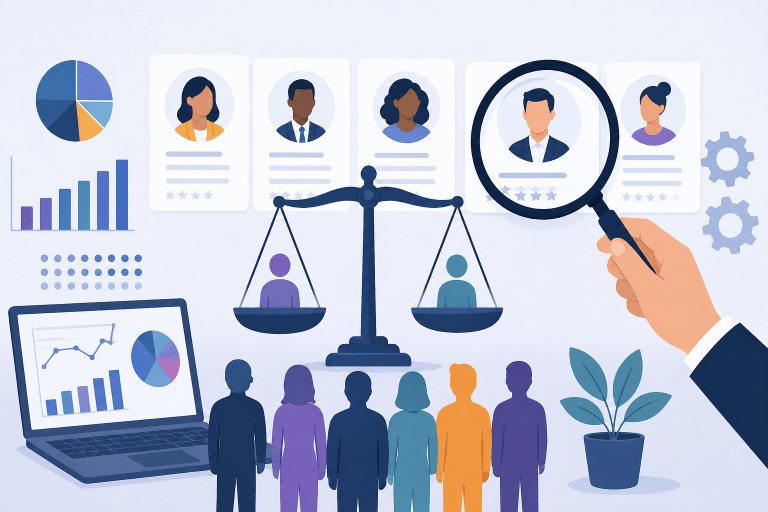
Recruitment procedures in healthcare are much like a custom taco bar at your favorite buffet. You can add and omit what doesn’t work for your business for a custom hiring approach. Think of diversity initiatives as the secret ingredient in the taco bar everyone wants on their healthcare business taco.
The importance of diversity hiring in healthcare has gained considerable traction across various sectors, and healthcare is no exception. Diversity in healthcare encompasses more than racial or ethnic representation; it includes gender, age, sexual orientation, socioeconomic status, and more.
The aim is to create a workforce that reflects the diverse population it serves, which is crucial for fostering better health outcomes. As healthcare professionals strive to improve patient care, understanding the significance of diversity hiring is essential for building a more equitable healthcare system.
What is Diversity in Healthcare?

Diversity in healthcare refers to including individuals from various backgrounds, including but not limited to race, ethnicity, gender, sexual orientation, disability, and socioeconomic status. It reflects the demographic makeup of the community being served, ensuring that different perspectives, experiences, and cultural understandings are represented within healthcare organizations. Embracing diversity allows healthcare providers to prioritize patients’ unique needs, improving health outcomes and patient satisfaction.
Inclusive hiring in healthcare goes beyond merely hiring individuals from different backgrounds; it also involves fostering an inclusive environment where all voices are heard and valued. An inclusive healthcare workforce can lead to innovative solutions to healthcare challenges, enhanced patient communication, and the reduction of health disparities that often exist among marginalized populations.
Why is Healthcare Diversity So Important?
Today’s interconnected world of individuals from many backgrounds is all the more reason to consider diversity hiring in healthcare strategies. A diverse team of medical professionals is a sheer reflection of the differences in patient backgrounds they serve. Molding a diversity and inclusion strategy in hiring ensures innovations and improvements in patient care.
Improved Patient Care
Diverse healthcare teams are better equipped to understand and address the cultural and social determinants of health that affect patients from various backgrounds. By bringing different perspectives to the table, healthcare providers can create more tailored and effective treatment plans, ultimately leading to improved patient outcomes.
Enhanced Innovation
A diverse workforce encourages innovation and creativity by integrating varying ideas and experiences. When healthcare professionals from different backgrounds collaborate, they can devise new solutions to complex health issues, driving advancements in care delivery and technology.
Increased Patient Satisfaction
Patients are more likely to seek care and adhere to treatment recommendations when they feel their healthcare providers understand and respect them. A diverse workforce that reflects the community’s demographics can help build trust and improve the overall patient experience.
Addressing Health Disparities
Health disparities among different racial and ethnic groups are well-documented. Diverse healthcare teams can help identify and address these disparities, ensuring that marginalized communities receive equitable care.
What are the Risks of Lacking Healthcare Diversity?
Lacking healthcare diversity can initiate risks in providing high-quality patient-centric care. Medical organizations can be disconnected from the patients within their community socially and empathetically speaking. A lack of varying perspectives that diversity brings can cause hindered communication, lack of innovation, and make health disparities for patients worse.
Reduced Quality of Care
When healthcare teams lack diversity, they may struggle to effectively communicate with and understand the needs of patients from different backgrounds. This disconnect can lead to misdiagnosis, inappropriate treatments, and ultimately poorer health outcomes.
Increased Health Disparities
A homogenous healthcare workforce may overlook the unique challenges faced by diverse populations, perpetuating health disparities. With representation from various communities, healthcare organizations can avoid alienating patients and failing to address their specific needs.
Limited Innovation
A lack of diversity can stifle creativity and innovation. Homogeneous teams may be less likely to challenge the status quo and develop new ideas, hindering progress in the healthcare sector.
Reputational Damage
In today’s socially conscious climate, organizations that fail to prioritize diversity may face public backlash. A lack of diversity can harm an organization’s reputation, impacting patient trust and employee morale.
How to Promote Healthcare Diversity Initiatives: Creating Inclusive Hiring Practices
Fostering diversity hiring in healthcare is a moral necessity and a proponent for organizational efficiency. More inclusive medical workplace environments can improve with recruitment-based diversity initiatives. Prioritizing inclusivity is essential for the healthcare workplace to connect accordingly with its patients.
Assess and Revise Hiring Practices
Organizations should begin by evaluating their current healthcare recruiting practices to identify potential biases and barriers to diversity. This may include revising job descriptions to use inclusive language, ensuring diverse interview panels, and implementing blind recruitment strategies.
Focus on Outreach and Recruitment
Healthcare organizations should actively seek to recruit candidates from diverse backgrounds. This could involve partnering with local community colleges, universities, and organizations that support underrepresented groups, attending diversity-based job fairs, and utilizing social media platforms to reach diverse talent.
Create a Supportive Workplace Culture
Fostering an inclusive workplace culture is essential for retaining diverse talent. This can include providing diversity training, promoting mentorship programs, and establishing employee resource groups that support underrepresented employees.
Implement Accountability Measures
Setting clear diversity goals and holding leadership accountable for meeting these goals can drive change within healthcare organizations. Regularly tracking and reporting diversity metrics can help organizations understand their progress and areas for improvement.
Engage with the Community
Building relationships with the communities served is vital for promoting diversity in healthcare. Engaging with community leaders, understanding local health needs, and involving community members in decision-making processes can help healthcare organizations become more responsive to their diverse populations.
Conclusion
Diversity hiring in healthcare is not merely a trend but a fundamental necessity for improving patient care and addressing health disparities. By embracing diversity and creating inclusive hiring practices, healthcare organizations can foster innovation, enhance patient satisfaction, and ultimately create a more equitable healthcare system. As the demographics of our society continue to evolve, the need for a diverse healthcare workforce will only become more critical. The time to act is now—ensuring everyone has access to high-quality healthcare, regardless of their background, is a goal worth striving for.