By anubhav · October 24, 2025
The pace of hiring has never been faster. Yet for many employers, it has never been harder.
Talent acquisition trends for 2025 reveal a major shift – hiring is no longer a process to manage. It’s a strategy to master. High-volume industries like healthcare and retail are learning that traditional recruitment methods have reached their limits. The cost of turnover is rising, candidate expectations are changing, and the pressure to deliver measurable results grows with every quarter.
According to Korn Ferry, global talent shortages could reach 85 million people by 2030, translating to $8.5 trillion in unrealized annual revenue. Organizations that wait to adapt risk falling behind, while those investing in smarter hiring are gaining an edge through data, automation, and predictive insights.
Cadient’s research shows that the employers leading this shift are using technology to anticipate workforce needs, identify quality hires earlier, and turn onboarding into a retention strategy.
Here are the five trends defining the new state of talent acquisition in 2025 and how leading companies are using them to win.
1. Predictive Analytics Becomes the Core of Hiring Strategy
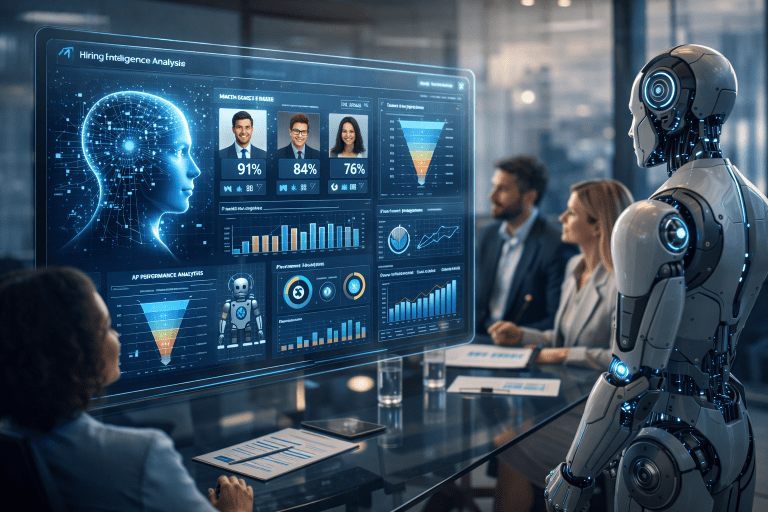
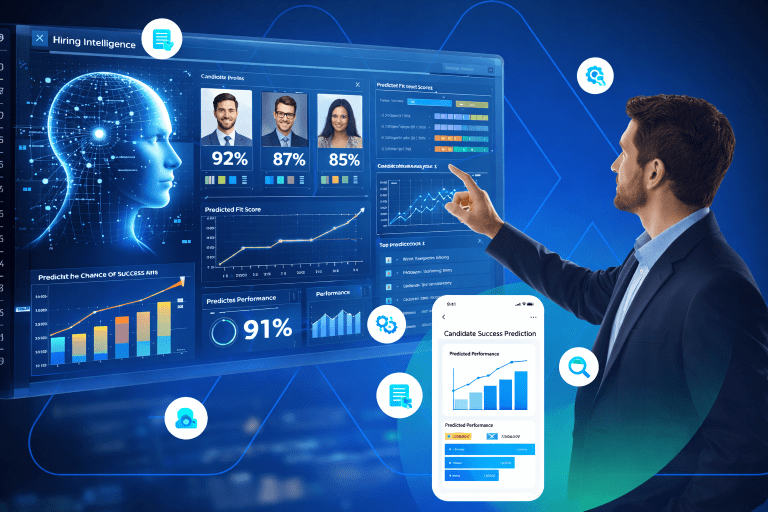
Among the talent acquisition trends shaping 2025, predictive analytics stands out as one of the most transformative. It is changing how hiring decisions are made. Recruiters no longer rely on resumes and interviews alone. They rely on data that signals long-term success.
Deloitte’s 2024 Global Human Capital Trends report found that 79% of HR leaders now use analytics to guide hiring and workforce planning. Predictive models assess candidates for attributes tied to tenure, culture fit, and performance.
For large healthcare systems, this shift reduces the risk of early attrition among clinicians and technicians, where replacement costs can exceed $50,000 per hire. In retail, predictive analytics helps identify applicants likely to perform well in high-turnover roles such as store associates or cashiers.
Cadient’s SmartTenure™ results illustrate the impact. A national tire retailer using the solution achieved a 96% six-month retention rate compared to 37.5% before implementation. Predictive intelligence allows hiring teams to focus their energy where it matters most: on candidates built to last.
This approach transforms hiring from a reactive function into a proactive business driver. It reduces bias, speeds up decision-making, and brings objectivity to every hiring cycle.
Read More: The Clash Between Gut Feel and Machine Learning in Recruiting
2. Candidate Experience Becomes a Non-Negotiable
Candidate experience used to be a differentiator. In 2025, it’s an expectation.
Job seekers today want clear communication, mobile-first applications, and real-time updates. A study from Glassdoor shows that 58% of candidates have declined offers due to poor hiring experiences. Every friction point, be it a confusing application or a delayed response, costs credibility and revenue.
In healthcare, where credentialing delays already extend time-to-hire, a slow process pushes top clinicians elsewhere. In retail, a poor digital experience causes applicants to drop out before completion, leading to empty shifts and higher overtime costs.
The best employers now treat hiring like marketing. They track conversion rates from application to offer and measure satisfaction the same way they measure Net Promoter Score. Each touchpoint, from the first text message to the onboarding portal, shapes how candidates view the brand.
Automation plays a vital role here. AI scheduling tools, status updates, and digital document collection eliminate delays and reduce recruiter workload. When candidates feel seen and informed, they are more likely to stay engaged and to say yes.
This shift also redefines what “high touch” means. It’s not about manual effort. It’s about consistent, personalized communication powered by intelligent automation.
3. Retention Becomes the New Hiring Metric
In 2025, success is no longer measured by how fast you hire. It’s measured by how long employees stay.
LinkedIn’s 2025 Workplace Learning Report found that companies with strong retention programs have 53% higher productivity and 50% faster time-to-hire. Retention has become the clearest signal of hiring quality.
Organizations are now connecting their applicant tracking systems with onboarding and performance analytics to track outcomes beyond the start date. They are asking: Which hiring sources produce the most loyal employees? Which training programs improve retention? Which managers develop teams that stay the longest?
In healthcare, the urgency is especially high. The American Hospital Association reports that vacancy rates for nursing and allied health positions remain above 15% nationwide. For hospitals and clinics, losing a single critical care nurse means lost revenue and reduced patient care capacity.
Retail faces a different version of the same problem. The National Retail Federation reports turnover above 60% across frontline roles, costing billions annually in replacement and training expenses.
To combat this, forward-thinking employers are extending onboarding beyond the first day, using retention analytics to predict who is at risk of leaving. Early data allows intervention before resignation letters appear.
Cadient’s predictive data shows that likely hires (those flagged as high retention fits) stay an average of 107 days longer than others. When retention becomes measurable, hiring becomes sustainable.
Read More: Building Teams That Stick: Beyond Competitive Pay
4. AI and Automation Redefine Recruiter Productivity
Recruiters are no longer gatekeepers. They are orchestrators of technology, data, and human interaction.
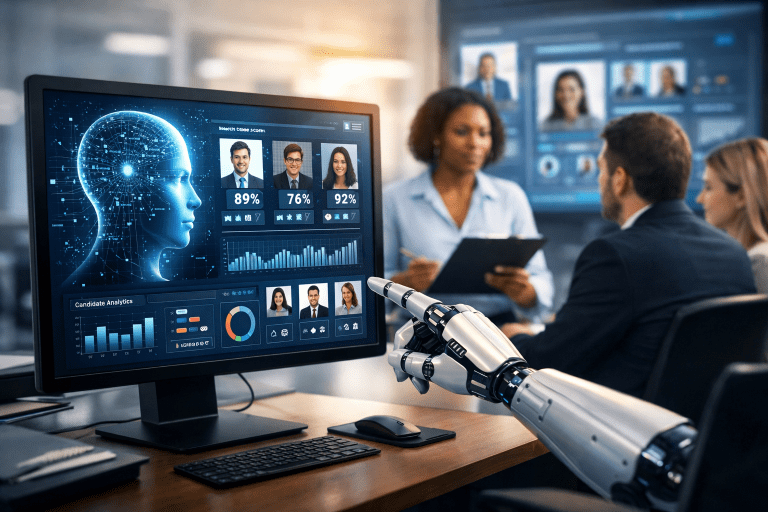
Artificial intelligence now drives much of the hiring process, from resume screening to structured interviews. Gartner reports that 73% of enterprises use AI for at least one recruiting function.
AI sourcing tools automatically match candidates to open roles using skills data. Screening bots score applications based on behavioral and performance indicators. Interview platforms record and analyze responses to assess alignment with company values.
This technology does not remove the recruiter. It amplifies their impact. Instead of sorting resumes, recruiters focus on relationship-building, hiring strategy, and long-term workforce planning.
In healthcare, automation handles credential verification and compliance steps, saving days of administrative work. In retail, it standardizes hiring across hundreds of stores, ensuring every manager follows the same fair, fast process.
Cadient SmartSuite™ integrates this workflow. SmartMatch filters qualified candidates. SmartScreen structures interviews for fairness. SmartScore unites all data into one actionable hiring signal. Together, these tools help recruiters move faster while improving decision quality across every location.
AI-powered hiring systems don’t remove humanity from the process. Instead, they return it. When repetitive work disappears, recruiters finally have time to do what only humans can: connect, persuade, and build trust.
5. Ethical AI and Compliance Shape the Future of Trust
With automation comes responsibility. As more decisions rely on data, organizations must prove those decisions are fair and compliant.
The regulatory spotlight on AI hiring continues to intensify. In 2024, New York City enacted the first law requiring bias audits for automated employment tools. Similar regulations are now being drafted at federal and state levels. A SHRM study found that 67% of HR leaders list compliance and data ethics as top concerns when implementing AI.
For enterprise employers in healthcare and retail, compliance means more than avoiding fines. It means protecting reputation and maintaining trust with employees, applicants, and regulators.
Thanks to these trends, modern talent acquisition platforms now feature built-in transparency. They include clear documentation of how scoring works, data security standards, and audit trails for every hiring decision.
Cadient’s own technology emphasizes explainable AI and compliance-first design. That matters for clients operating across hundreds of sites, where consistency and accountability are non-negotiable.
In 2025, ethical hiring isn’t a checkbox. It’s a competitive advantage. Candidates want to work for organizations that treat data and fairness with the same seriousness as pay and benefits.
Read More: Beyond Chatbots: Why Predictive AI Decides Who Actually Stays
What Comes Next: Talent Acquisition Trends of the Future
The future of hiring is predictive, human, and continuous. Every step, from sourcing to onboarding, is part of one connected data ecosystem.
For healthcare and retail leaders, the challenge ahead is not adopting new tools, but aligning people and process around them. Technology alone cannot fix turnover. But data-informed, human-centered hiring can.
Cadient’s market findings show that organizations adopting integrated talent platforms see 30% faster time-to-hire and 90% higher retention among likely hires. These are not incremental improvements. They redefine what efficient hiring means at scale.
The most successful employers of 2025 share three traits:
- They use data to make decisions, not assumptions.
- They measure candidate experience as rigorously as sales performance.
- They view retention as the ultimate hiring outcome.
Talent acquisition is no longer about filling roles. It’s about creating stability, engagement, and growth. The next frontier belongs to organizations that see hiring not as a cost center, but as a predictive engine for business success.
The old hiring model was transactional. The new model is transformative. 2025 is the year talent acquisition stops reacting to change and starts defining it.