By Abhishek Patel · May 4, 2026
When you hear hiring intelligence software mentioned in a boardroom, you probably picture a sleek dashboard that spits out perfect candidate matches. But the truth is a bit messier—and way more exciting. I’ve spent the last decade helping Fortune‑500 HR teams replace guesswork with data, and what I’ve seen is that AI‑driven tools are reshaping not just sourcing, but the entire strategic workforce plan. In this guide we’ll break down what the tech does, why it matters for enterprise planning, and how you can avoid the common pitfalls while measuring real ROI.What Is Hiring Intelligence Software?
At its core, hiring intelligence software is a talent intelligence platform that goes beyond a traditional ATS. While an ATS tracks applicants, hiring intelligence pulls data from your HRIS, payroll, performance systems, and even public job‑market signals. Think of it as a brain that maps skills, predicts attrition, and flags bias before a resume lands on your desk. Unlike classic applicant tracking, this class of tools uses predictive hiring analytics to forecast talent gaps months ahead. If you’re wondering how that works, picture a model that learns from 10,000 past hires and tells you which engineers are likely to leave in the next six months. That insight powers strategic workforce planning tools you can trust.Role of Hiring Intelligence in Workforce Planning
Workforce planning used to be a spreadsheet exercise—until AI entered the room. With hiring intelligence software, you can align talent supply with business demand in real time. Imagine a product launch that needs 200 new developers. The system scans internal talent pools, external labor market trends, and competency maps, then recommends whether you should upskill, redeploy, or hire. And you get a clear view of succession pipelines. The software surfaces high‑potential employees, maps their skill trajectories, and matches them to future leadership roles. That level of foresight makes talent strategy feel less like guesswork and more like a well‑orchestrated play.Key Capabilities of Hiring Intelligence Software
- AI sourcing: crawls job boards, social profiles, and niche communities to surface passive candidates whose skill vectors match your need.
- Interview intelligence: transcribes and analyses video interviews for sentiment, competency keywords, and cultural fit.
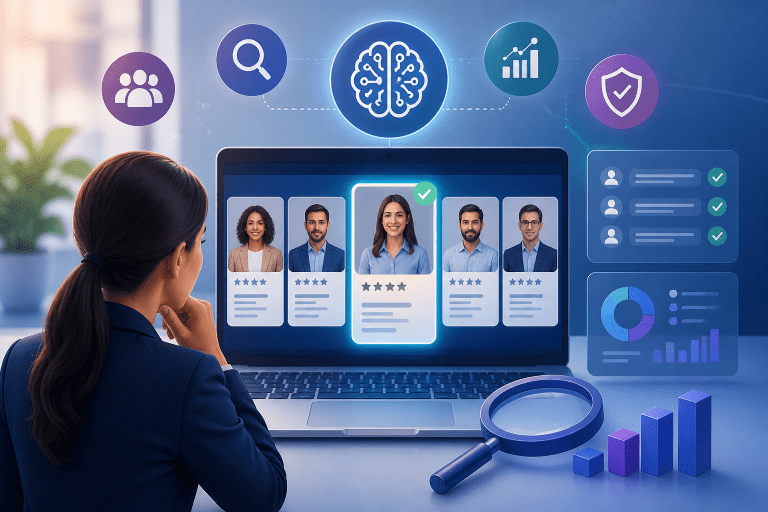
- Candidate scoring: blends resume data, assessment results, and predictive attrition scores into a single rank.
- Skill mapping: creates a living taxonomy of roles, certifications, and experience across the enterprise.
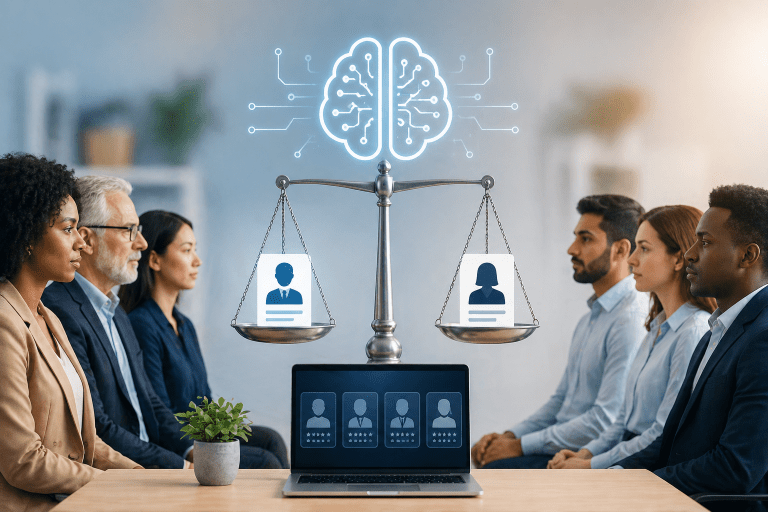
- Diversity bias mitigation: flags language or patterns that could unintentionally filter out underrepresented groups.
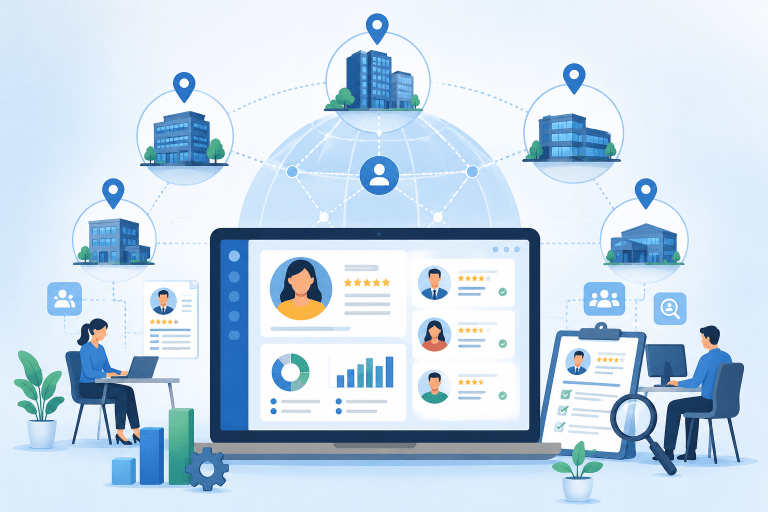
- Integration depth: syncs with HRIS, payroll, and workforce planning software for a single source of truth.
Benefits for Enterprise Workforce Planning
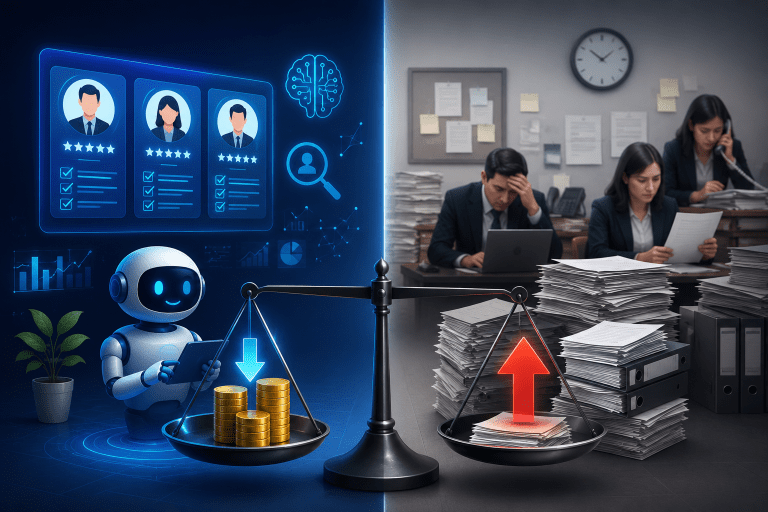
First off, you’ll see time‑to‑fill shrink dramatically. A 2023 study from Gartner reported a 28% reduction for firms that adopted hiring intelligence tools. That’s because AI does the heavy lifting of candidate discovery and initial screening. Second, quality of hire goes up. By factoring in predictive attrition and cultural fit, you end up with employees who stay longer—average tenure can jump from 2.3 years to 3.8 years in tech-heavy orgs. Third, you finally have a way to measure ROI. Track KPIs such as cost‑per‑hire, time‑to‑productivity, and retention lift directly in the dashboard. When you link those numbers back to strategic workforce planning tools, you can justify every dollar spent on talent acquisition. And the financial upside is real: a 2022 Forrester report estimated $5.6 million in annual savings for a 10,000‑employee enterprise after implementing hiring intelligence software.Real-World Use Cases
Tech giant: A leading software company integrated a talent intelligence platform with its existing HRIS. The AI model identified a looming shortage of cloud engineers and automatically proposed a reskilling pathway for 150 developers, cutting external hiring costs by 42%. Manufacturing leader: By pairing hiring intelligence tools with workforce planning software, a Fortune 500 manufacturer forecasted a 15% surge in machine‑operator demand after a new plant opened. The system suggested a mix of apprenticeship programs and targeted outreach, delivering the talent pipeline three months ahead of schedule. Service sector: A large call‑center chain used interview intelligence to analyze tone and empathy scores. The result? A 12% boost in customer satisfaction ratings within six months, thanks to better‑matched agents.Challenges and Limitations
Data quality is the biggest roadblock. If your HRIS has missing fields or outdated job codes, the AI model will produce garbage in, garbage out. You’ll need a data‑cleaning sprint before you go live. Change management can be tricky. Recruiters may resist a tool that scores candidates automatically. Address that by involving them early, showing quick wins, and offering ongoing training. And let’s not forget compliance. Hiring intelligence software processes personal data, so you must ensure GDPR, CCPA, and local labor‑law adherence. Look for vendors that provide audit trails, consent management, and data‑encryption at rest and in transit.Best Practices for Using Hiring Intelligence Tools
Start with a pilot
Pick a high‑impact hiring lane—like software engineers—and run the AI model in parallel with your existing process for 90 days. Measure time‑to‑fill, quality, and recruiter satisfaction before scaling.Define clear KPIs
Focus on cost‑per‑hire, attrition risk reduction, and diversity hiring ratios. Tie these metrics back to strategic workforce planning goals so you can calculate ROI quarterly.Maintain data hygiene
Set up automated validation rules in your HRIS. Regularly audit skill taxonomies for consistency—nothing derails predictions like misspelled skill names.Embed bias checks
Use the platform’s built‑in bias mitigation reports. Review them with your DEI team and adjust job‑description language accordingly.Integrate, don’t isolate
Make sure the hiring intelligence software talks to your payroll and workforce planning modules. A seamless data flow turns insights into actionable hiring budgets.Conclusion
Hiring intelligence software isn’t a buzzword fad; it’s a practical lever for smarter workforce planning. By blending AI sourcing, interview intelligence, and predictive analytics with your existing HR stack, you can cut costs, boost quality, and align talent supply with business demand. Keep an eye on emerging trends—generative AI is already drafting job descriptions that attract diverse talent, and real‑time market intelligence will soon let you pivot hiring strategies on the fly. The future belongs to those who turn data into decisive hiring actions while keeping privacy, bias, and ROI front and center.Vendor Comparison
| Vendor | AI Sourcing | Interview Intelligence | Skill Mapping | Pricing Model |
|---|---|---|---|---|
| TalentPulse | Yes | Live video analytics | Dynamic taxonomy | Per‑seat subscription $120/mo |
| HireSmart | Yes | Text‑only analysis | Static skill library | Enterprise license $45k/yr |
| WorkForceIQ | Predictive sourcing | Hybrid video & text | AI‑driven mapping | Usage‑based $0.15 per candidate |
Pricing and Licensing Overview
- Subscription plans typically range from $100 to $250 per user per month, with volume discounts for 500+ seats.
- Enterprise licenses may include unlimited seats, on‑premise deployment, and dedicated support for $30 k‑$80 k annually.
- Some vendors offer a pay‑as‑you‑go model that charges per processed candidate—ideal for seasonal hiring spikes.