By Abhishek Patel · May 4, 2026
Finding the right AI hiring platform feels a bit like dating in a digital world—you swipe, you test, you hope for chemistry. In 2026 the market is flooded with shiny tools promising faster hires, higher diversity, and lower costs. But not every promise holds up. In this guide I’ll walk you through what an AI hiring platform actually does, why you should care, and how to pick a solution that fits your talent strategy like a glove.
What Is an AI Hiring Platform?
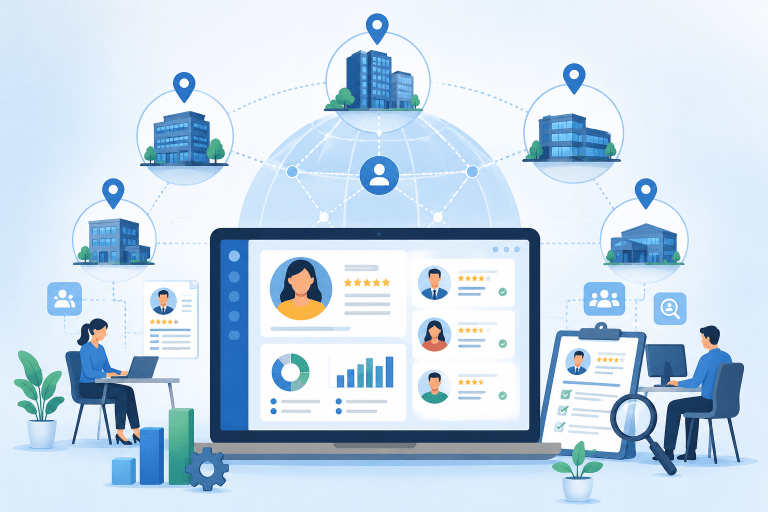
At its core, an AI hiring platform is software that uses machine learning, natural language processing, and predictive analytics to automate and augment the recruiting workflow. It can source candidates from LinkedIn, GitHub, or niche boards, rank them against a job’s skill profile, schedule interviews, and even analyze video responses for soft‑skill cues. Think of it as a digital hiring assistant that never sleeps.
These platforms sit on top of your existing ATS or HRIS, pulling data to train models that predict who will succeed. The magic isn’t just automation; it’s insight—turning mountains of résumé data into actionable hiring signals.
Why Organizations Are Adopting AI Hiring Platforms in 2026
Recruiters are under pressure to fill roles 30% faster while keeping turnover under 8%. AI recruitment software benefits like reduced time‑to‑fill and better candidate experience are no longer nice‑to‑have, they’re mission‑critical. Companies such as TechNova cut their average hiring cycle from 45 days to 22 days after rolling out an AI talent acquisition platform. That’s a 50% improvement.
And diversity matters more than ever. AI can flag bias in job descriptions, surface under‑represented talent, and ensure interview panels are balanced. After implementing an AI hiring platform, GlobalRetail reported a 12% increase in hires from under‑represented groups within six months.
Key Features to Evaluate Before Choosing a Platform
Screening Automation
Look for AI that parses résumés, scores them against a competency matrix, and flags gaps. Some tools even rank candidates on a 0‑100 fit score, making shortlists instantly visible.
Interview Scheduling
Automated calendar syncs and candidate self‑service portals reduce back‑and‑forth emails. The best AI hiring platform 2026 will let candidates pick slots that match both their and the hiring manager’s availability.
Candidate Matching
Matching engines should combine skill extraction, experience relevance, and cultural fit. Platforms that let you weigh each factor (e.g., 60% skills, 30% cultural, 10% potential) give you control over the algorithm’s bias.
Analytics and Reporting
Metrics like time‑to‑hire, cost‑per‑hire, and quality‑of‑hire are essential. A solid dashboard should also surface diversity statistics and highlight where bottlenecks form.
Bias Detection Tools
Modern solutions embed bias detection that flags gendered language or racial slurs in job ads. They also audit model decisions, showing you why a candidate was rejected or advanced.
Integration Capabilities
Seamless sync with ATS, HRIS, video interview tools, and assessment platforms prevents data silos. Look for native connectors or robust APIs.
Security and Compliance
Data privacy isn’t optional. Ensure the platform meets GDPR, CCPA, and any regional regulations that apply to your workforce.
Also Read: AI Hiring vs Traditional Recruiting: Which Works Better?
Factors to Consider When Selecting the Right Platform
- Scalability: Can it handle 10,000 applicants per month without lag?
- Vendor Reputation: Check customer reviews and industry awards.
- Customization: Do you need bespoke scoring models or can you use out‑of‑the‑box templates?
- Support Model: 24/7 chat, dedicated CSM, or community forums?
- Total Cost of Ownership: Look beyond the headline subscription price.
And don’t forget the human factor. Your team must trust the AI’s recommendations; otherwise adoption stalls fast.
AI Hiring Platform Comparison Checklist
| Criteria | Must‑Have | Nice‑To‑Have | Deal‑Breaker |
|---|---|---|---|
| Core AI technologies | Machine learning & NLP | Generative AI for interview prep | Lack of model transparency |
| Screening speed | Under 10 seconds per résumé | Batch processing | Manual review required for >50% of applicants |
| Bias mitigation | Real‑time bias alerts | Audit logs for compliance | No bias detection |
| Integration depth | Native ATS/HRIS connectors | Open API for custom tools | Only CSV export |
| Pricing model | Transparent tiered pricing | Usage‑based discounts | Hidden fees for API calls |
Common Mistakes to Avoid When Choosing AI Hiring Software
First, don’t chase the flashiest UI. A slick interface looks great, but if the underlying algorithm can’t handle your industry jargon, you’ll waste time fixing data. Second, avoid buying a platform that promises “no‑code” customization but locks you into a proprietary scoring system. Third, never skip a pilot. Running a 30‑day test with real job requisitions reveals integration hiccups and bias issues early.
Now, watch out for “one‑size‑fits‑all” licensing. Paying per seat when you only need a few recruiters on the platform inflates costs dramatically. Instead, negotiate usage‑based rates that match your hiring volume.
Ethical AI and Bias Mitigation Strategies
Ethics aren’t a footnote; they’re a core requirement. Start by auditing your historical hiring data for bias—many platforms will import that data, so you must clean it first. Second, choose a vendor that provides an explainable AI layer, letting you see why a candidate got a 78% fit score.
Third, set up a governance board with HR, legal, and data scientists. This team reviews AI recommendations weekly and signs off on any changes to the model. Finally, embed regular bias testing into your hiring calendar—quarterly audits keep the system honest.
ROI Calculator and Total Cost of Ownership Framework
Let’s do a quick math exercise. Suppose you fill 200 positions per year, each with an average cost‑per‑hire of $7,500. An AI hiring platform reduces time‑to‑fill by 30% and cuts cost‑per‑hire by 18%.
- Current annual hiring cost: 200 × $7,500 = $1,500,000
- Savings from reduced cost‑per‑hire: $1,500,000 × 0.18 = $270,000
- Additional savings from faster hires (less overtime, vacancy loss): estimate $120,000
- Total annual ROI: $390,000
If the platform’s subscription is $80,000 plus $0.10 per candidate screened (200 × 100 = 20,000 screens → $2,000), total spend is $82,000. That yields a net ROI of $308,000, or a 376% return.
Beyond the numbers, factor in hidden costs: integration effort (often 2‑3 weeks of IT time), training sessions, and change‑management overhead. A total cost of ownership (TCO) model should include these items to avoid surprise invoices.
Change Management and Team Training Blueprint for AI Adoption
Introducing AI is a cultural shift, not just a tech upgrade. Begin with a kickoff workshop where you demo the platform and address fears—“Will the AI replace me?” is the most common question.
Next, create role‑based training paths. Recruiters need hands‑on practice with candidate scoring, while hiring managers focus on interpreting analytics. Use short video modules (5‑10 minutes) blended with live Q&A sessions.
Then, set up a feedback loop. After each hiring cycle, collect input from recruiters, candidates, and hiring managers. Iterate on the AI’s parameters based on that feedback. Finally, celebrate quick wins—publicly share a story of a hire that happened in half the usual time thanks to AI. That builds momentum.
Future Trends in AI Hiring Platforms
Generative AI is the next frontier. Imagine a system that drafts personalized interview questions on the fly, tailored to each candidate’s resume. Real‑time skill validation—where candidates complete micro‑assessments and the AI instantly scores them—will shrink the interview loop further.
Employer branding AI will also rise. Platforms will auto‑generate job ads that align with your company voice and diversity goals, optimizing language for higher click‑through rates. And as remote work sticks around, AI will evaluate virtual collaboration cues from video interviews, predicting how well a candidate will mesh with distributed teams.
Also Read: What Is Recruitment Analytics Software? Features, Use Cases, and Benefits
Wrapping It Up
Choosing the right AI hiring platform in 2026 isn’t about picking the flashiest tool; it’s about aligning technology with your hiring strategy, budget, and ethical standards. Evaluate core features like screening, matching, and bias detection. Run the ROI calculator to prove financial upside, and set up a solid change‑management plan to get your team on board.
When you do it right, you’ll see faster hires, richer diversity, and a hiring experience candidates actually enjoy. So, take the checklist, run a pilot, and let AI amplify—not replace—the human judgment that drives great teams.
Frequently Asked Questions
How does an AI hiring platform improve candidate screening compared to traditional methods?
AI hiring platforms use machine learning algorithms to parse resumes, assess skill relevance, and rank candidates based on predefined criteria, reducing manual review time. They can also identify hidden talent by recognizing transferable skills and patterns that humans might overlook.
What data privacy and security considerations should I evaluate when selecting an AI hiring solution?
Ensure the platform complies with GDPR, CCPA, and other regional regulations, offering encryption at rest and in transit. Look for transparent data handling policies, audit trails, and the ability to anonymize candidate information during analysis.
Can AI hiring platforms integrate with my existing applicant tracking system (ATS) and HRIS?
Most modern AI hiring tools provide APIs and pre‑built connectors for popular ATSs and HRIS platforms, enabling seamless data flow. Verify that the vendor supports bi‑directional syncing to keep candidate statuses consistent across systems.
What typical return on investment (ROI) can organizations expect from implementing an AI hiring platform?
Companies often see a 30‑50% reduction in time‑to‑hire and a 20‑40% decrease in recruitment costs within the first year. Additional ROI comes from higher quality hires that lower turnover and improve productivity.
Are AI hiring tools compliant with equal employment opportunity (EEOC) regulations?
Reputable vendors embed bias‑mitigation techniques and provide audit logs to demonstrate fairness. However, organizations must regularly monitor outcomes and combine AI insights with human judgment to ensure compliance.